If you're typing "is Morocco safe" into Google, you're not alone — it's the first question almost every first-time visitor asks. Here is the honest answer: yes, Morocco is generally a safe country to visit. More than 17 million tourists arrived in 2024, and violent crime against visitors is rare. The risks you'll actually face are far more mundane: pushy touts, petty scams and pickpockets in crowded medinas — the same things you'd watch for in Barcelona, Rome or Bangkok.
The risks that actually exist
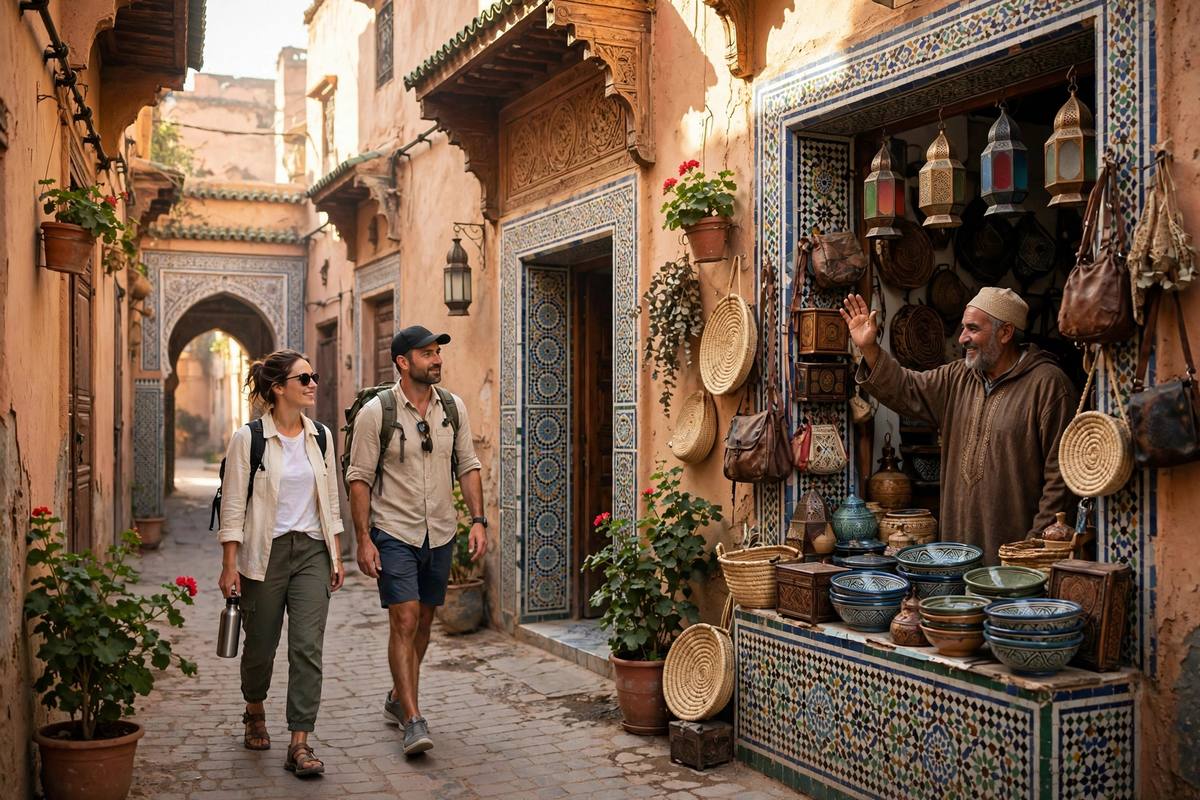
Morocco's biggest safety issue isn't danger — it's hassle. In the medinas of Marrakech and Fès, unofficial "guides" will attach themselves to you, insist your hotel is closed or that the famous tannery is "just around the corner," then demand payment for their help. Petit taxi drivers may "forget" to switch on the meter. None of this is dangerous, but it can sour a day if you're not ready for it. A firm "la, shukran" (no, thank you) and walking on works almost every time.
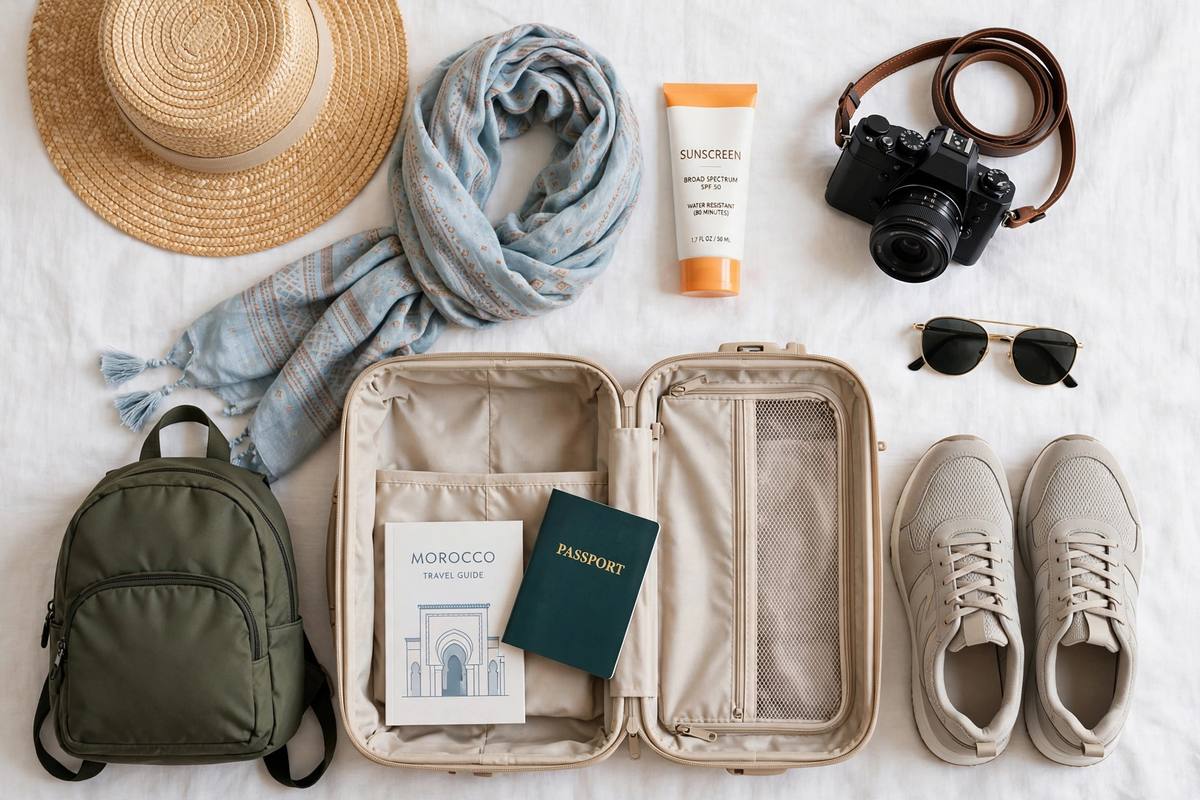
Petty theft is the other genuine risk. Crowded souks and busy train stations are prime pickpocket territory. Keep your phone in a front pocket or a zipped bag, don't flash expensive jewellery, and leave your passport in the hotel safe — a photo of it on your phone is enough for daily sightseeing.
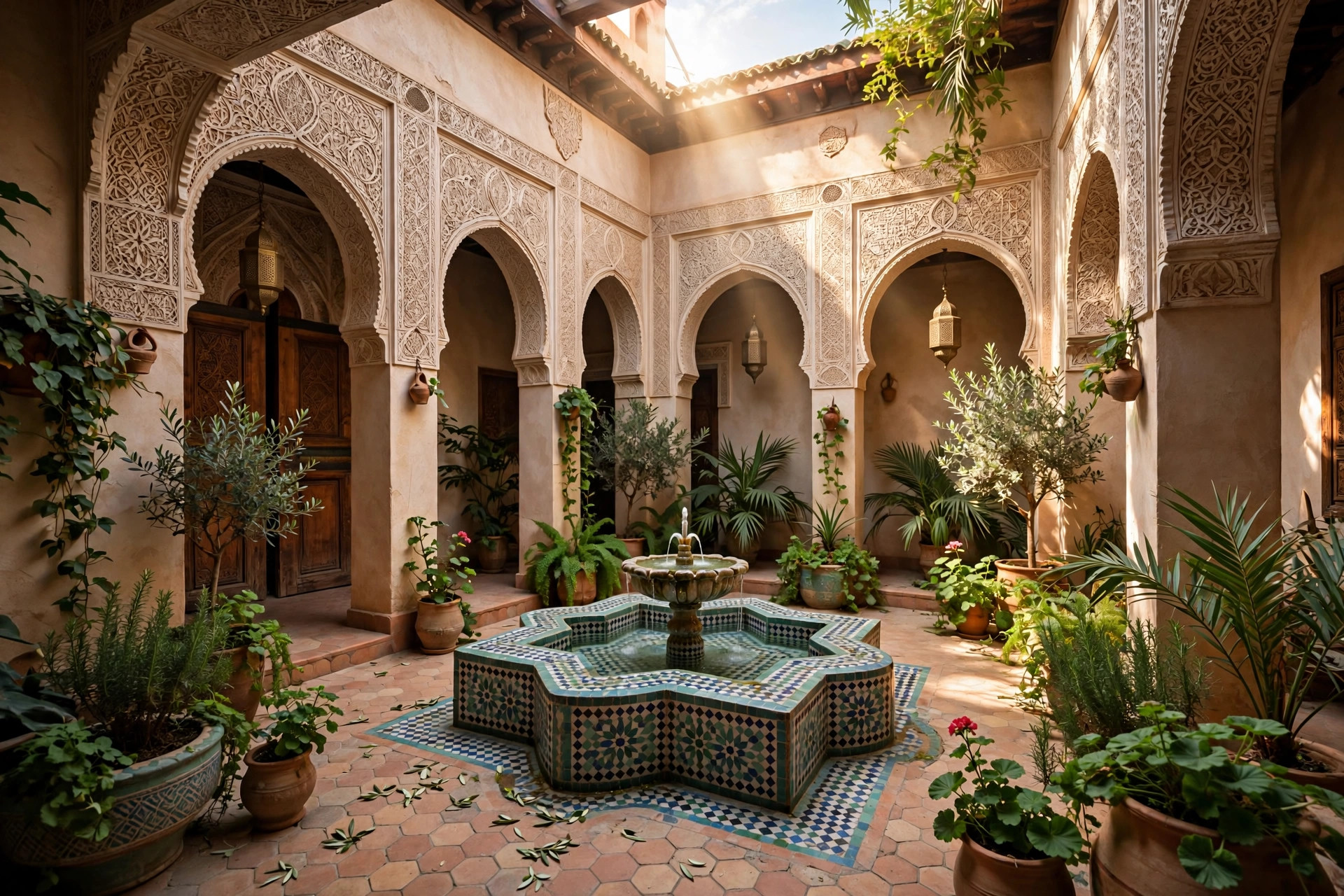
Book your first one or two nights in advance and ask your riad to arrange airport pickup. Arriving to a confirmed bed and a driver holding your name removes 90% of arrival-day stress — and almost all scam exposure.
Is Morocco safe for women travellers?
Here's the honest picture: many women travel Morocco solo and love it, but street harassment — staring, comments, unwanted attention — does happen, especially in big cities. It is almost always verbal rather than physical, and ignoring it firmly is the standard advice, including from Moroccan women.
A few practical steps make a real difference: dress modestly outside beach resorts (cover shoulders and knees in medinas and rural areas), avoid walking alone through unlit medina alleys late at night, sit near other women or families on trains, and choose well-reviewed riads whose staff look out for guests. Women-only tour groups and female local guides are easier to book than ever.
Getting around safely
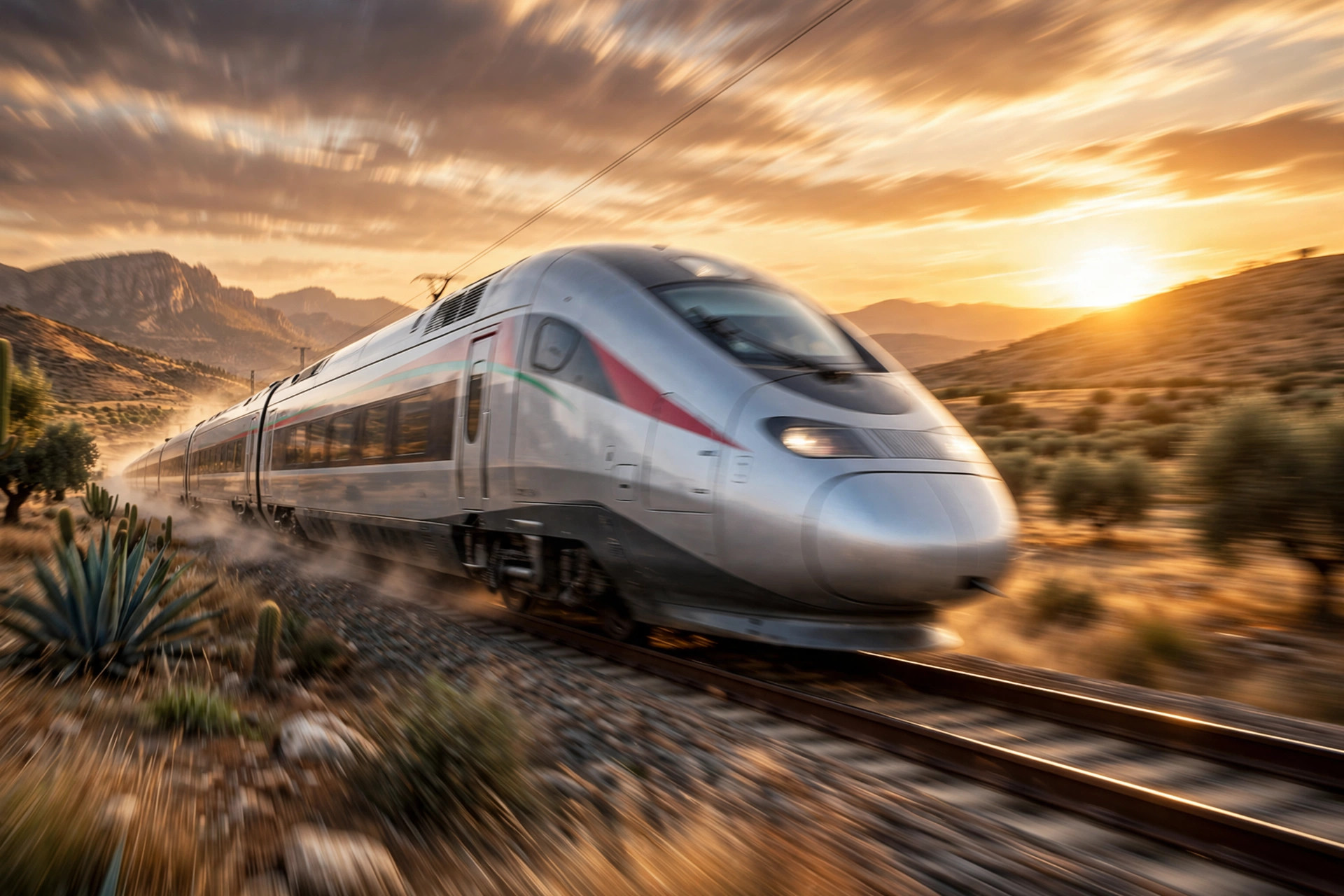
Morocco's transport network is modern and reliable. The Al Boraq high-speed train linking Casablanca, Rabat and Tangier is as comfortable as anything in Europe, and CTM and Supratours buses are safe and air-conditioned. For taxis, insist on the meter in petit taxis — or agree the price before you get in — and settle grand-taxi fares upfront, since they're shared and charged per seat.
Driving yourself is straightforward on the excellent toll motorways, but city traffic — Casablanca especially — is chaotic. Avoid driving at night in rural areas: unlit roads, wandering animals and the occasional unmarked speed bump. If you rent a car, never leave bags visible inside it.
Health, water and food
Tap water in major cities is technically treated, but almost all travellers stick to bottled water — it's cheap and sold everywhere. The bigger adjustment is street-food hygiene: eat where locals queue, make sure meat is cooked through, and peel fruit yourself. Pharmacies are excellent and widespread, and pharmacists can dispense many basics without a prescription.
Travel insurance is non-negotiable: private clinics in Casablanca and Marrakech are good but expect payment upfront. And the sun is stronger than you think, even in spring — dehydration and sunburn ruin more trips than any scam ever will.
Police: 19 · Ambulance: 15 · Gendarmerie (rural areas): 177. Tourist police units operate in all major cities — save your embassy's number and your insurer's helpline before you fly.
Money and valuables
Morocco is still largely a cash economy — dirhams for souks, taxis and small restaurants. Use ATMs inside banks rather than ones on the street, and carry a day's cash in a separate pocket so you're never flashing a full wallet. Card skimming is uncommon, but tell your bank you're travelling so your card isn't frozen mid-trip.
Morocco rewards the prepared traveller enormously. Learn a few words of Darija, agree prices before any service, keep your wits about you in the medina — and you'll discover one of the warmest, most generous travel cultures in the world. Millions of happy visitors a year can't be wrong.
Plan your Morocco trip
Turn this guide into a booked trip: compare stays, flights and car rental across Morocco below.
Some links on this page are affiliate links. If you book through them, we may earn a commission at no extra cost to you — it keeps these guides free.
Frequently asked questions
Is Morocco safe for first-time visitors?
Yes. Violent crime against tourists is rare — the real issues are petty scams and pickpockets in busy medinas. Standard precautions (zipped bags, agreed taxi fares, your first nights booked in advance) cover almost everything.
Is Morocco safe for women travelling alone?
Many women travel Morocco solo without incident, but verbal street harassment does happen in cities. Dress modestly outside beach resorts, avoid unlit medina alleys at night, stay in well-reviewed riads, and consider a female local guide for medina walks.
Can you drink the tap water in Morocco?
It's better to stick to bottled water, which is cheap and sold everywhere. Eat at busy stalls where food is cooked fresh, make sure meat is cooked through, and peel fruit yourself.
What are the most common tourist scams in Morocco?
Unofficial guides who “help” then demand money, the “your hotel is closed” trick, taxi drivers skipping the meter, and inflated starting prices in souks. A polite but firm “no” — and agreeing every price upfront — defeats all of them.
What emergency numbers should I save for Morocco?
Police: 19, ambulance: 15, rural gendarmerie: 177. Tourist police operate in major cities. Also save your embassy's consular number and your travel insurer's helpline before departure.