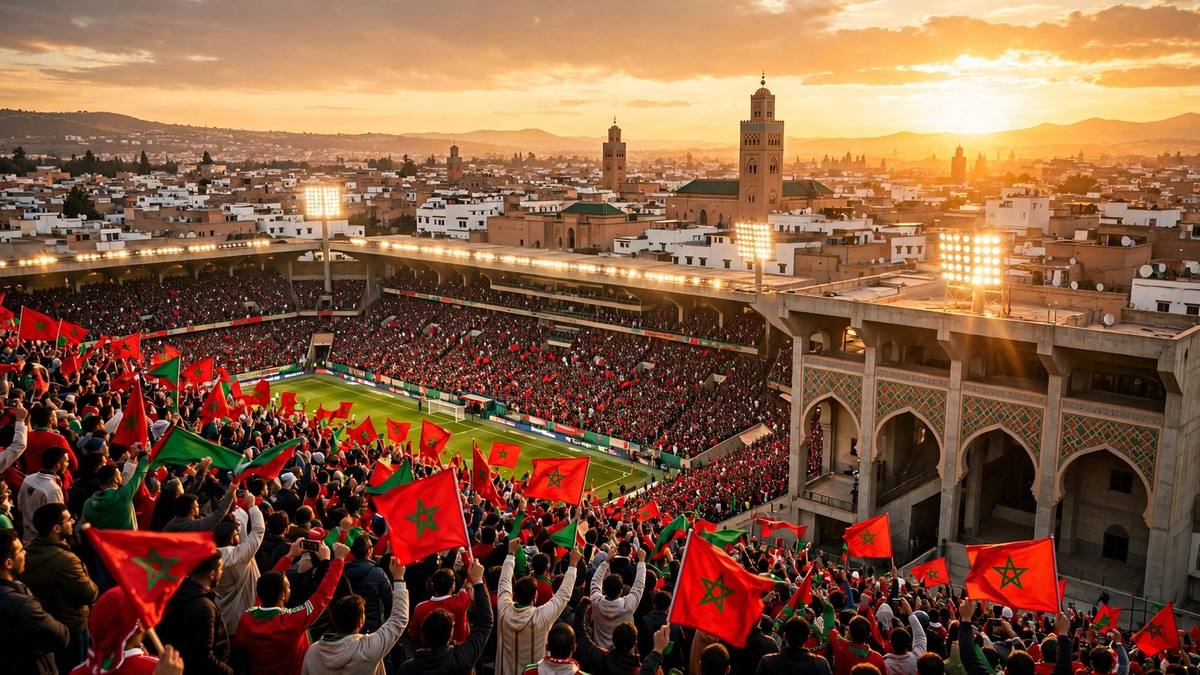
This Marrakech 2030 World Cup fan guide covers everything a travelling supporter needs for football's biggest tournament in the Red City. Marrakech is one of six Moroccan host cities for the 2030 FIFA World Cup — alongside Casablanca, Rabat, Tangier, Agadir and Fes — and it may be the most enjoyable base of the whole tournament: a city built for visitors, where the stadium, the fan zones and the thousand-year-old medina are all within easy reach.
Marrakech pairs World Cup football with the richest off-pitch experience in Morocco: rooftop dinners above Jemaa el-Fna square, Atlas day trips, and riads that cost a fraction of European prices. The trade-offs: June–July heat that pushes daytime temperatures past 40°C, and demand that will make accommodation scarce if you book late. Plan around both and the Red City rewards you like nowhere else in the tournament.
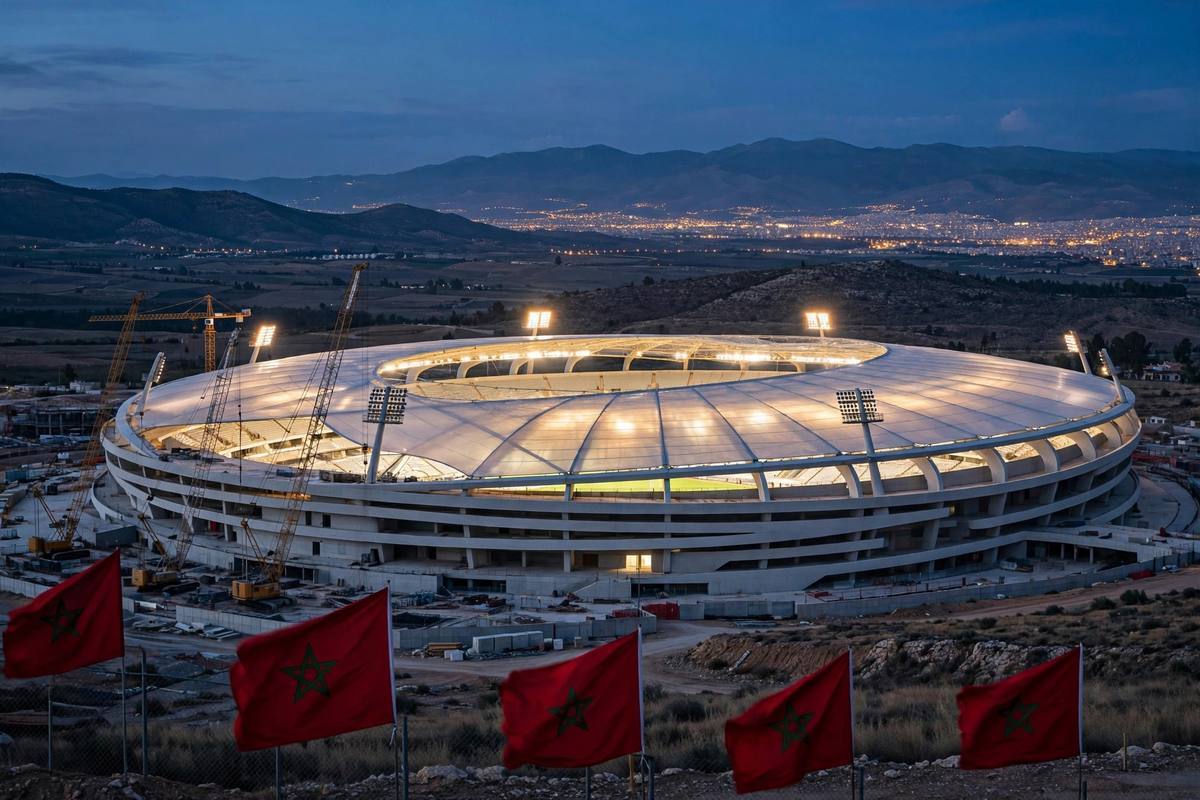
Marrakech 2030 World Cup fan guide: the Grand Stade de Marrakech
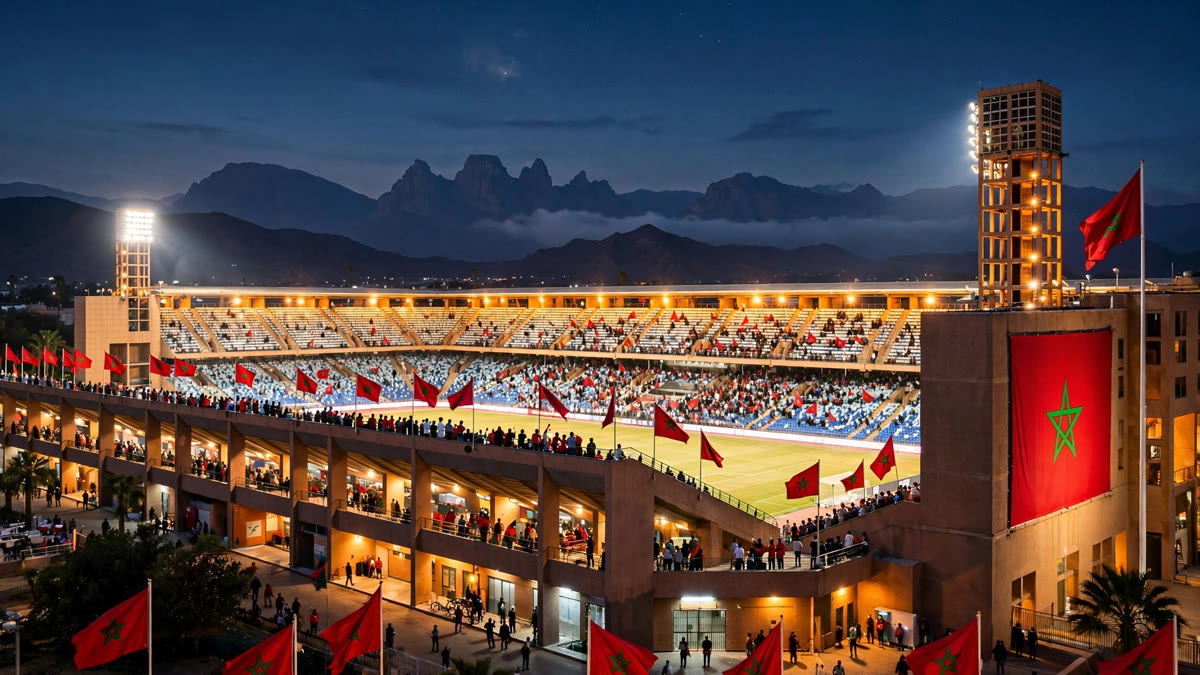
Matches in Marrakech will be played at the Grand Stade de Marrakech (Stade de Marrakech), the city's 45,000-seat football stadium north of the city centre and home of Kawkab Marrakech. Opened in 2012, it is one of the most modern grounds in Morocco — and one of the six Moroccan stadiums named in the joint 2030 bid, all of which are set for renovation or expansion ahead of the tournament.
The stadium sits roughly 25–30 minutes from the medina by taxi or shuttle, depending on matchday traffic. Expect the usual World Cup matchday setup: security perimeters, fan walks and shuttle routes from the city centre — FIFA and the host-city organisers will publish the final transport plan closer to 2030. Group-stage and early knockout ties are the realistic expectation for Marrakech; the exact schedule — which teams, which dates — only comes with the official match calendar after the 2030 draw.
Evening matches are likely: Marrakech in June and July regularly passes 40°C in the afternoon. FIFA typically schedules around the heat, which makes evening kick-offs — and late nights in the fan zones — the natural rhythm of a Marrakech World Cup.
Fan zones and the FIFA Fan Festival in Marrakech
The official FIFA Fan Festival location in Marrakech has not been announced yet — venues are usually confirmed around a year before the tournament — but the obvious candidates sit around the medina: Jemaa el-Fna itself, which already hosts enormous open-air gatherings every evening, and the broad avenues of Guéliz. Wherever it lands, expect the standard FIFA formula: giant screens, live music, food and drink stalls, and free entry for fans without tickets.
Beyond the official zone, Marrakech does fan culture on its own terms. The rooftop terraces around Jemaa el-Fna, the sports bars of Guéliz and Hivernage, and the medina's squares will all be showing matches — the city's café density means you are never far from a screen. This is one of Marrakech's real advantages as a World Cup base: the atmosphere is not confined to the stadium.
Getting to Marrakech: airport, high-speed rail and roads
By air: Marrakech-Menara Airport (RAK) is one of Morocco's busiest airports, with direct flights from most major European cities — typically 3–4 hours from London, Paris or Madrid. The airport is about 15 minutes from the medina by taxi (expect around 100–150 dirhams on the meter; agree the price before you get in).
By train: Marrakech is the southern terminus of the Al Boraq high-speed line, which already runs Marrakech–Casablanca in under three hours and connects onward to Rabat and Tangier. High-speed extensions south toward Agadir are under construction for the 2030 horizon. For moving between host cities, the rail network is your best bet — see our guide to travelling between the 2030 host cities.
On matchdays, count on special shuttles between the city centre and the stadium, plus grand taxis and ride-hailing apps. Book accommodation near a shuttle pickup point — in Marrakech, that means the medina, Guéliz or Hivernage.
Where to stay in Marrakech for the 2030 World Cup
Marrakech has Morocco's deepest hotel and riad inventory, from budget medina riads to five-star Palmeraie resorts. For the World Cup, three areas make the most sense:
- The medina — riads and guesthouses within walking distance of Jemaa el-Fna and the likely fan zones. The most atmospheric option, and the one that will sell out first.
- Guéliz and Hivernage — modern hotels, sports bars and restaurants; easier for taxis and shuttles than the car-free medina alleys.
- The Palmeraie — resort-style calm outside the centre; good value for groups, but you will taxi everywhere.
Book as early as you can: World Cup demand will push prices multiples above normal, and Marrakech's best riads have only a handful of rooms each. Our 2030 World Cup accommodation guide covers what to expect on prices and when to book.
2030 World Cup tickets: the basics for Marrakech matches
Tickets are not on sale yet — FIFA runs its sales in phases, and the official match schedule follows the tournament draw. The key point for Marrakech fans: buy only through FIFA's official channels, and wait for the official sale rather than resale sites, which FIFA does not guarantee. Our World Cup 2030 tickets guide explains the sales phases, categories and hospitality options in full.
Between matches: what to do in the Red City
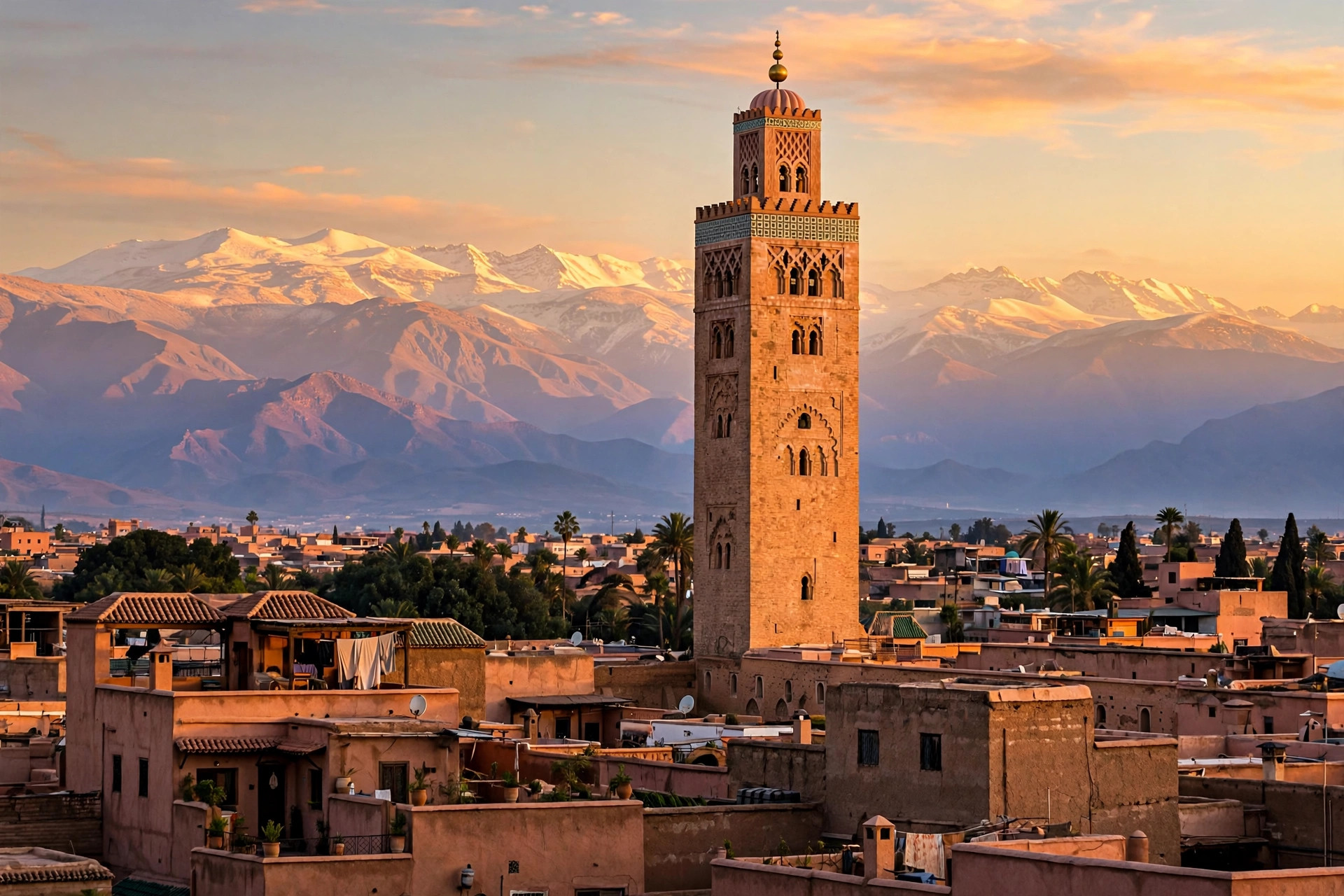
Few host cities fill rest days like Marrakech. The essentials: Jemaa el-Fna at dusk, the souks, Jardin Majorelle, the Koutoubia minaret and the Ben Youssef Madrasa. With a free day, the Atlas Mountains and Ourika Valley are one to two hours away, and Essaouira's coast is about three hours by road.
For the full city plan, see our three-day Marrakech itinerary and the overview of all six Moroccan host cities.
Flights six to nine months out, accommodation as early as possible, tickets through FIFA's official sale only. Marrakech's small riads will be the first accommodation to disappear — decide your dates and book before the draw if you can.
Plan your Morocco trip
Turn this guide into a booked trip: compare stays, flights and car rental across Morocco below.
Some links on this page are affiliate links. If you book through them, we may earn a commission at no extra cost to you — it keeps these guides free.
Frequently asked questions
Which stadium in Marrakech will host 2030 World Cup matches?
The Grand Stade de Marrakech (Stade de Marrakech), a 45,000-seat stadium north of the city centre and home of Kawkab Marrakech. It is one of the six Moroccan venues named in the 2030 bid and is set for renovation and upgrades ahead of the tournament.
Where will Marrakech's 2030 World Cup fan zones be?
The official FIFA Fan Festival location has not been announced yet — venues are usually confirmed about a year before the tournament. The likely spots are around Jemaa el-Fna and the medina, or the wide avenues of Guéliz. Expect free entry, giant screens and live music, plus match screenings in the city's rooftops, bars and squares.
How do I get from Marrakech airport to the medina and the stadium?
Marrakech-Menara Airport is about 15 minutes from the medina by taxi (around 100–150 dirhams). The Grand Stade de Marrakech is roughly 25–30 minutes from the medina; on matchdays expect dedicated shuttle routes between the city centre and the stadium.
Where should I stay in Marrakech for the World Cup?
The medina puts you closest to Jemaa el-Fna and the likely fan zones, Guéliz and Hivernage offer the most hotels and easiest transport, and the Palmeraie suits groups wanting resort-style calm. Book early — the small riads will sell out first and prices will rise sharply.
When do 2030 World Cup tickets go on sale?
Not yet. FIFA sells tickets in phases, and the official match schedule is published after the tournament draw. Buy only through FIFA's official channels — see our World Cup 2030 tickets guide for the sales phases and categories.