2030 World Cup Morocco accommodation will be the hardest part of the trip to get right. Match tickets are sold by FIFA in phases, trains can be booked late — but there is a fixed number of beds in Marrakech, Casablanca and the other host cities, and millions of fans are coming. The tournament runs June 8 to July 3, 2030 across Morocco, Spain and Portugal, and the Moroccan leg will pull the biggest crowds the country has ever seen.
This guide covers where to stay for the 2030 World Cup in Morocco: hotels near the stadiums, riads in the medinas, vacation rentals for groups, and budget options for fans watching every dirham. And the single most important piece of advice: book something refundable early, then upgrade later.
The host cities and how they shape your 2030 World Cup stay
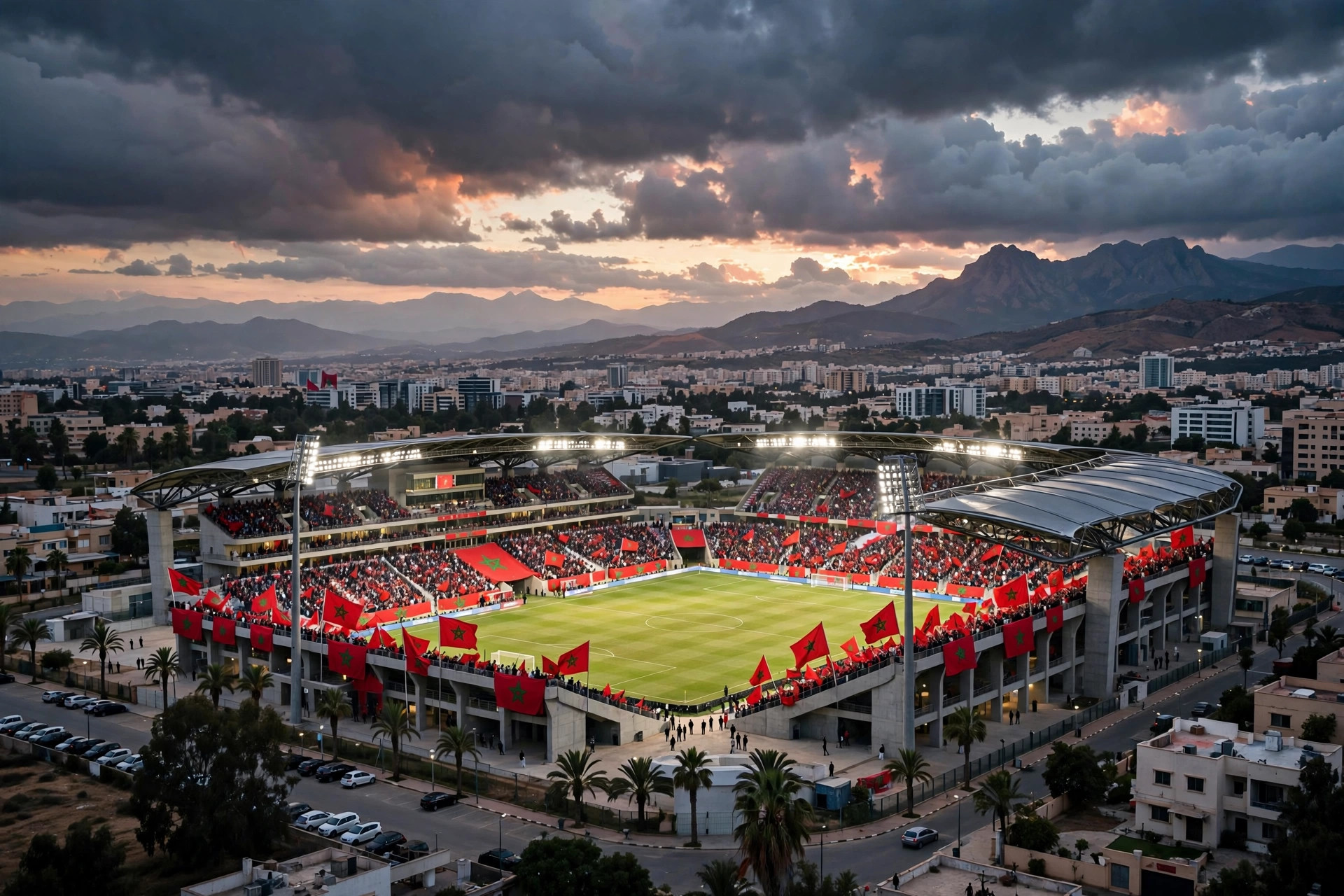
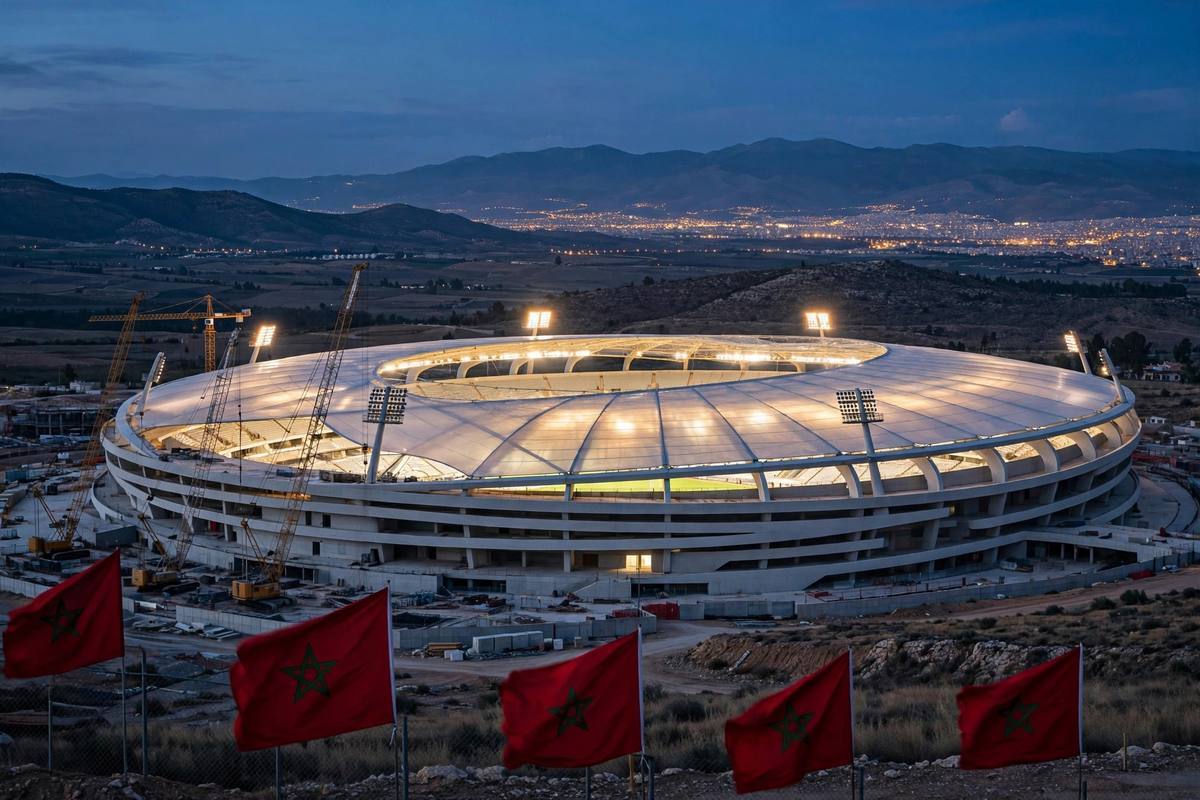
Morocco's six host cities are Casablanca, Marrakech, Rabat, Fes, Agadir and Tangier. Each has a completely different feel — and a completely different accommodation landscape. The biggest prize, the new Grand Stade Hassan II near Casablanca, is being built for 115,000 seats as Morocco's bid for the final itself.
Where you sleep should follow your team's draw, not just the stadium map. Al Boraq high-speed trains connect Casablanca, Rabat and Tangier in well under two hours, so you can comfortably base yourself in one city and day-trip to matches in another. Marrakech and Agadir sit further south and work better as a home base for their own matches plus sightseeing. Our host cities guide breaks down every stadium.
2030 World Cup Morocco accommodation: hotels in the host cities
Hotels are the safest default for 2030 World Cup accommodation in Morocco. In Casablanca, look at the Ain Diab corniche and the city center — both hold clusters of international-chain hotels with the reliability tournament travel demands. For matches at the Grand Stade Hassan II, note the stadium sits outside the city toward Benslimane: hotels in central Casablanca plus match-day shuttles will be the practical combination.
Marrakech has the deepest hotel bench of any host city, from five-star palaces in the Palmeraie to solid mid-range hotels in Guéliz. Agadir is a resort city by design — its beachfront hotel strip was built for mass tourism and will absorb fan groups well. Rabat, Fes and Tangier have fewer big hotels, so they will sell out first.
Book refundable rates. World Cup pricing is unpredictable this far out, but every tournament in history has multiplied hotel prices in host cities as the event approached — and the refundable rate you lock in now is a ceiling, not a floor.
Riads: the stay only Morocco can offer
A riad is a traditional Moroccan courtyard house converted into a small guesthouse, and for many fans it will be the highlight of the trip. The best riads sit in the medinas of Marrakech and Fes — cool tiled courtyards by day, rooftop terraces with Atlas or medina views at night, breakfasts of msemen and mint tea included.
Riads are small — often under ten rooms — so the good ones will be the first 2030 World Cup accommodation to sell out. They also sit inside car-free medinas: expect to walk the last stretch with your bag while the owner sends someone to meet you. That is part of the charm, but it is not ideal if you need step-free access — check before booking.
Riads rarely list on every booking site at once. If a riad you love shows no availability, email them directly — many hold rooms back for direct bookings, and direct rates are often better.
Vacation rentals and apartments for fan groups
Travelling with friends or family? A whole apartment — or an entire riad rented as a villa — is often cheaper per person than hotel rooms, and it gives you a kitchen and a living room for pre-match gatherings. Airbnb listings in Marrakech, Casablanca and Tangier already include whole riads sleeping eight or more.
Two cautions. First, Moroccan law requires hosts to register guests with the police — legitimate hosts handle this routinely, but if a listing looks suspiciously cheap and informal, ask how they register guests before you pay. Second, "10 minutes from the stadium" in a listing can mean 10 minutes by car at 3 a.m. — check the real location on a map.
Budget options: hostels, guesthouses and fan villages
Morocco is kind to budget travellers even in a World Cup year. Youth hostels in Marrakech, Fes, Casablanca and Tangier offer dorm beds that will stay the cheapest roof over your head. Maisons d'hôtes — family-run guesthouses — sit between hostels and riads on price and are often the warmest welcome in the country.
Watch for fan villages: FIFA and host cities typically set up temporary fan accommodation — pre-erected tents or cabins with food courts and big screens — near stadiums or fan zones. Nothing is confirmed for Morocco 2030 yet, but if they appear they will be the most social budget option of the tournament. We will cover them the moment details drop.
When to book: your 2030 World Cup accommodation timeline
Now (2026): book something refundable in the city you are most likely to visit. Free cancellation means zero risk, and you lock in a price ceiling.
2027–2028: expect the first big price wave as tour operators and hospitality packages buy up room blocks. If you have nothing booked by the draw, you are shopping from leftovers.
After the draw (late 2029): this is when it gets real. Once you know where your team plays its group matches, move your booking to the right city and trade the refundable rate for the best deal you can find.
Spring 2030: last-minute options will exist — cancellations, newly listed apartments, fan villages — but prices will be at their peak and choice at its thinnest. Have a confirmed bed by now.
Never book non-refundable accommodation before the draw unless the price is genuinely unrepeatable. Fixtures decide everything — the perfect hotel in Agadir is useless if your team plays its group in Tangier.
Plan your Morocco trip
Turn this guide into a booked trip: compare stays, flights and car rental across Morocco below.
Some links on this page are affiliate links. If you book through them, we may earn a commission at no extra cost to you — it keeps these guides free.
Frequently asked questions
When should I book accommodation for the 2030 World Cup in Morocco?
Now — but only refundable rates. Lock in a free-cancellation booking in 2026 to set a price ceiling, then move or upgrade it after the draw in late 2029, when you know which cities your team plays in. The worst strategy is waiting until 2030: prices peak and choice thins out.
Which Moroccan cities will host 2030 World Cup matches?
Six cities: Casablanca, Marrakech, Rabat, Fes, Agadir and Tangier. The flagship is the new Grand Stade Hassan II near Casablanca, built for 115,000 seats as Morocco's bid for the final. High-speed Al Boraq trains link Casablanca, Rabat and Tangier, so one base can cover several stadiums.
Where should I stay in Casablanca for the 2030 World Cup?
The Ain Diab corniche and the city center hold Casablanca's biggest clusters of hotels, and both connect well to transport. Note the Grand Stade Hassan II sits outside the city toward Benslimane — expect match-day shuttles rather than walking distance. Rabat is about an hour away by high-speed train if Casablanca sells out.
Are riads or hotels better for World Cup fans in Morocco?
For atmosphere, riads win — the courtyard houses of the Marrakech and Fes medinas are the most memorable stays in the country. But riads are small and will sell out first, and they sit in car-free medinas that mean a walk with your luggage. Hotels win on reliability, group bookings and accessibility. Many fans split the trip: riad for the experience, hotel for match days.
How much will hotels cost during the 2030 World Cup in Morocco?
Nobody knows exact prices this far out, but every World Cup multiplies host-city rates — budget for several times normal Moroccan prices, with the final and semifinals costing most. Booking a refundable rate now locks in today's prices as your ceiling. Our Morocco budget guide shows what rooms cost in a normal year.