If you are building a World Cup 2030 budget, Morocco is genuinely good news for your wallet. The tournament runs from June 8 to July 3, 2030 across three host nations — Morocco, Spain and Portugal — with three centenary matches in South America, and some of the biggest games will be played in brand-new Moroccan stadiums. Morocco remains one of the most affordable countries ever to host a World Cup. But "affordable" does not mean free: match tickets, tournament-week hotels and flights will all spike. Here is an honest, line-by-line look at what a football fan can realistically expect to spend.
How much does a World Cup 2030 trip really cost?
Your total depends on three things: how many matches you attend, how long you stay and how much comfort you need. Based on 2026 pricing patterns and Morocco's current costs, here are realistic ranges for a 10-day trip with three group-stage matches (per person, excluding international flights):
- Tight budget: $1,200–$1,800 — hostel beds or fan-village pitches, street food and trains between host cities.
- Mid-range: $2,500–$4,000 — riads and 3-star hotels, a mix of fan zones and one knockout match.
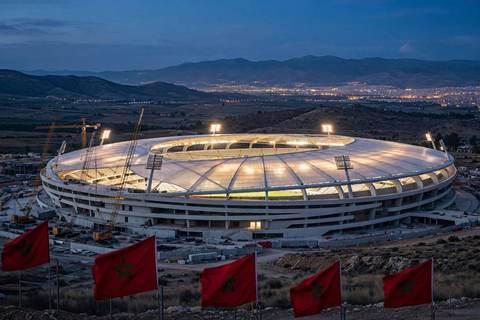
- Comfort: $5,000+ — 4-star hotels, a rental car, category-1 seats and a seat at the final in the Grand Stade Hassan II.
International flights are the wildcard: a round trip to Casablanca from Europe can drop to $150 if booked early, while fans flying from the Americas should budget $600–$1,000. Book the moment the fixtures are confirmed.
World Cup 2030 tickets: expected prices
Tickets are not on sale yet — as of October 2026 FIFA has not opened any 2030 sales window — and no official 2030 prices exist. The best guide is the 2026 World Cup: group-stage seats started around $60 in the cheapest category and climbed past $600 for prime seats, while the final ranged from roughly $2,000 to over $6,000. For the FIFA World Cup 2030 budget fans are sketching out now, assume:
- Group-stage matches: roughly $60–$650 per seat, depending on category.
- Knockout matches: roughly $150–$1,500.
- The final at the Grand Stade Hassan II: $2,000+ for the cheapest official seats.
Buy only through FIFA's official platform when sales open. Any "guaranteed 2030 tickets" on sale today are not real — pre-window hospitality offers and resale listings are a scam risk, not a shortcut.
Where you will sleep: hotels, riads and fan villages
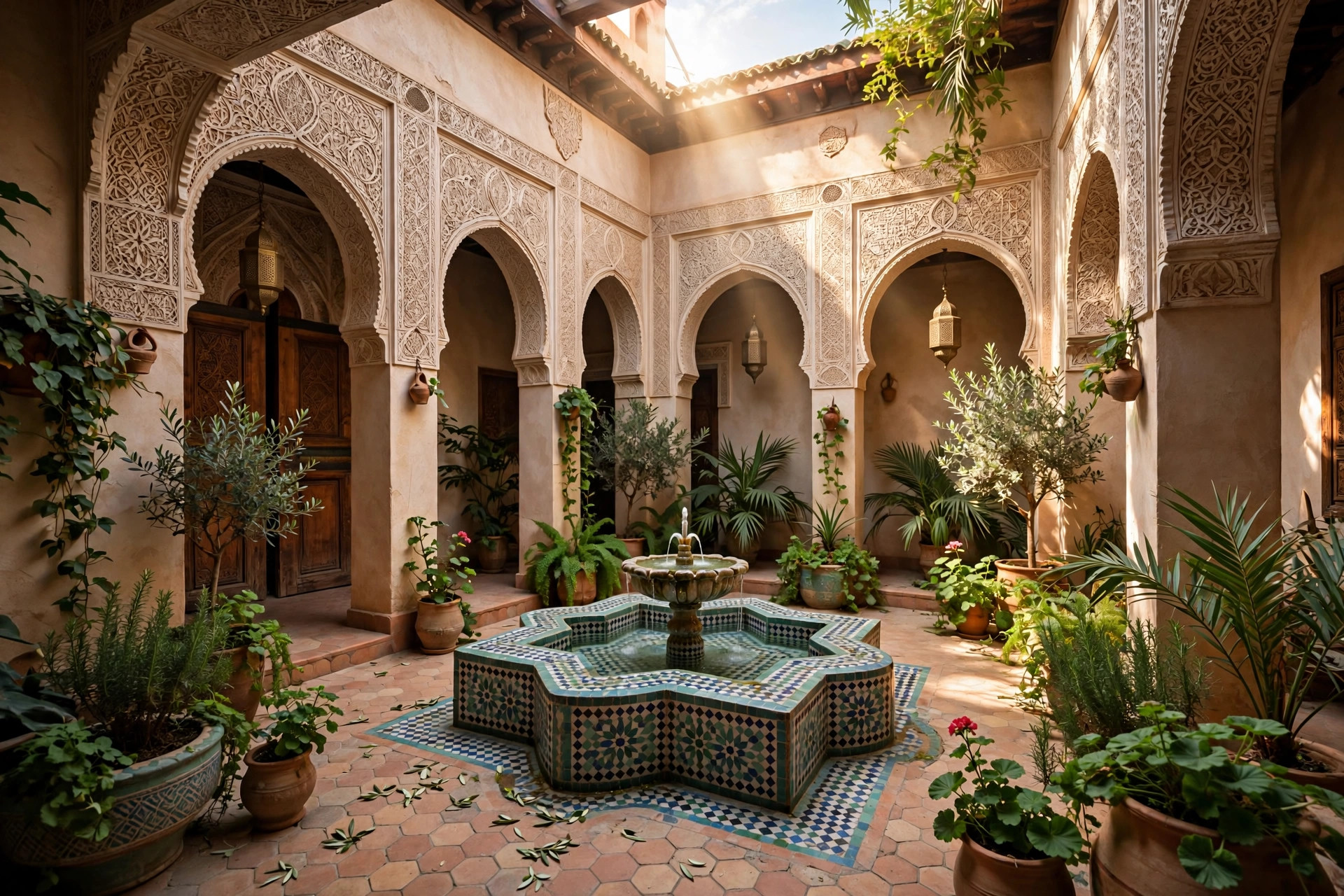
Accommodation will be the biggest line in most fans' Morocco World Cup 2030 budget. Outside tournament season, a riad in Marrakech costs $40–$90 a night and a decent hotel in Casablanca $60–$120. During the World Cup, expect host-city prices to double or even triple — the same pattern seen at every recent tournament. Your options, cheapest first:
- Fan villages and campsites: Morocco will set up temporary fan accommodation near the World Cup 2030 stadiums; at previous tournaments these ran $30–$80 per night.
- Riads and guesthouses: the most atmospheric option — book 18–24 months out, before dynamic pricing kicks in.
- Hotels and apartments: apartments split between 3–4 fans often beat hotel rates.
- Base outside the host cities: staying in a nearby non-host city, such as El Jadida instead of Casablanca, and taking the train in on match days can cut nightly costs in half.
Food, transport and daily costs in Morocco
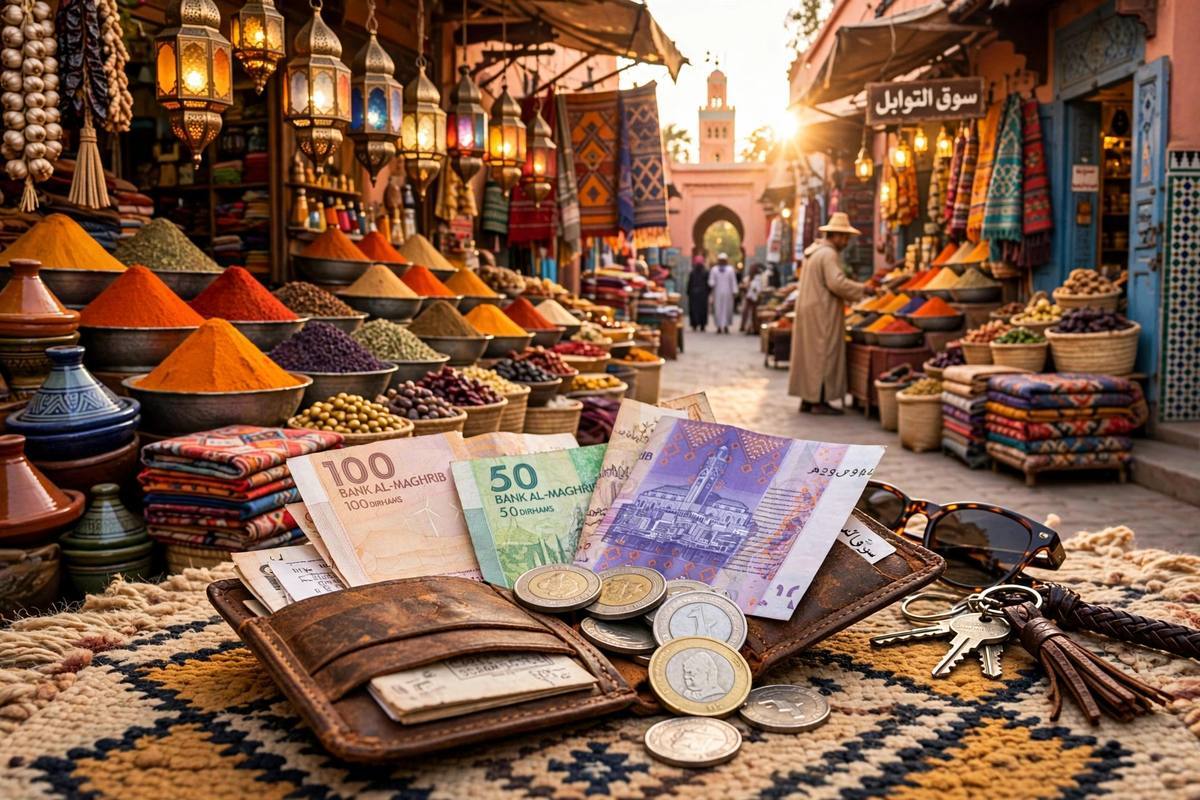
Daily life in Morocco is cheap by tournament standards — this is where the World Cup 2030 budget traveller wins big. A street-food meal (tacos, msemen, harira) costs $2–$4; a sit-down lunch $8–$15; a mid-range dinner $20–$35. The Al Boraq high-speed train links Tangier, Rabat and Casablanca in one to two hours for $15–$30, and CTM buses cover the rest of the country for less. Plan on $40–$60 a day for food, local transport and incidentals if you eat where locals eat.
The 2030 World Cup dates (June 8 – July 3) fall in early summer, the shoulder between spring crowds and August heat. Arrive a few days early: pre-tournament hotel rates are dramatically lower, and you will be acclimatised before the first whistle.
Which World Cup 2030 host cities are cheapest?
Morocco's six host cities — Casablanca, Rabat, Marrakech, Tangier, Agadir and Fes — will not cost the same. Casablanca and Marrakech will be the priciest (most matches, most demand); cities like Agadir and Fes should run noticeably cheaper for hotels and food. And the World Cup 2030 venues in Spain and Portugal (Madrid, Barcelona, Lisbon, Porto) will cost two to three times their Moroccan equivalents, so fans following a team across borders should weight their itinerary toward the Moroccan leg. On the official World Cup 2030 location map, Morocco is the value play.
7 ways to shrink your World Cup 2030 budget
- Book flights the week the fixtures drop — fares to Casablanca and Marrakech spike within days of the draw.
- Pick category 3 or 4 seats for group games and save category-1 money for one big knockout night.
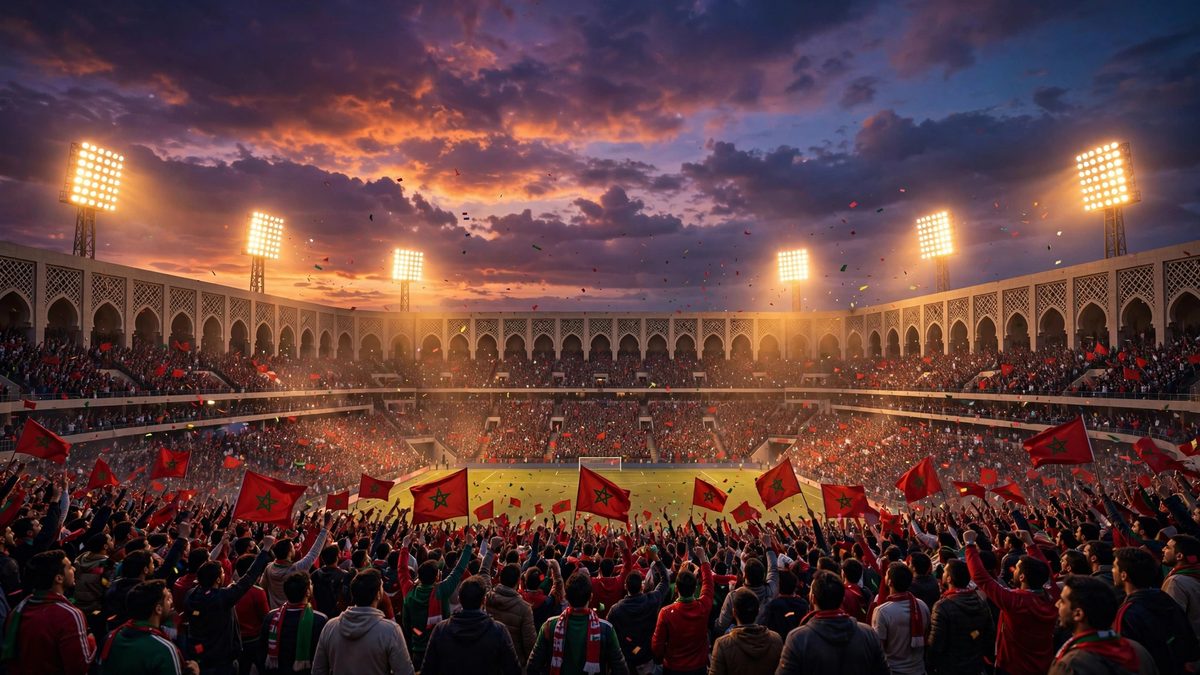
- Watch some matches in fan zones — free entry, giant screens and the best atmosphere-per-dollar of the whole tournament.
- Sleep outside the host cities and ride the Al Boraq or CTM network in on match days.
- Eat where the workers eat — the $3 lunch counter beats the $30 hotel buffet every time.
- Travel as a group of four — apartments, rental cars and taxis split four ways change the maths completely.
- Register for FIFA ticketing alerts now — early sales windows have the best prices and the most categories available.
The 2030 World Cup in Morocco can genuinely be the most affordable World Cup trip in decades — if you plan like a local and book like an early bird. Start with the fixtures, lock in refundable accommodation early, and keep the splurge for one unforgettable night under the lights.
Start planning your 2030 trip
Compare flights to Casablanca, Marrakech or Tangier, arrange a rental car for exploring between matches, or browse apartments and riads near the host cities before prices climb.
Some links on this page are affiliate links. If you book through them, we may earn a commission at no extra cost to you — it keeps these guides free.
Frequently asked questions
How much will a trip to the World Cup 2030 cost?
For a 10-day trip with three group-stage matches, budget roughly $1,200–$1,800 on a tight budget, $2,500–$4,000 mid-range, or $5,000+ for comfort — all excluding international flights. Booking flights and accommodation early is the single biggest lever on the total.
Where will the 2030 World Cup be held?
The official 2030 World Cup location spans three host nations — Morocco, Spain and Portugal — from June 8 to July 3, 2030, with three centenary celebration matches in Argentina, Paraguay and Uruguay. Morocco's six host cities are Casablanca, Rabat, Marrakech, Tangier, Agadir and Fes.
How much will World Cup 2030 tickets cost?
FIFA has not published 2030 prices and sales have not opened as of October 2026. Going by 2026 pricing, expect roughly $60–$650 for group-stage seats, $150–$1,500 for knockout matches, and $2,000+ for the final. Only buy through FIFA's official platform once sales open.
Is Morocco expensive for World Cup fans?
No — Morocco is one of the cheapest countries ever to host a World Cup. Daily costs outside match tickets run $40–$60 a day if you eat locally and use trains and buses. The expensive parts are the same at every tournament: match tickets, tournament-week hotels and last-minute flights.
When should I book hotels for the 2030 World Cup?
As early as possible — 18 to 24 months before the tournament. Host-city prices typically double or triple during a World Cup, and refundable rates booked early protect you against spikes while keeping flexibility if plans change.