The 2030 World Cup schedule dates are confirmed, and they point to the strangest — and longest — tournament in football history. The centenary World Cup runs from June 8 to July 21, 2030: 43 days across three continents and six host nations. Morocco, Spain and Portugal stage 101 of the 104 matches, while three centenary celebration matches in Uruguay, Argentina and Paraguay kick things off before the main tournament even begins.
If you are planning to follow the 2030 World Cup dates as a travelling fan, the calendar matters more than ever. The calendar decides when to fly, where to base yourself and which weeks cost the most. Here is everything FIFA has confirmed so far.
2030 World Cup schedule dates: the key calendar
These are the official 2030 World Cup dates announced by FIFA. The one date nobody has to guess: the tournament starts on June 8, 2030 and ends with the final on July 21, 2030.
- June 8–9, 2030 — Centenary ceremony and first matches: Uruguay (Estadio Centenario, Montevideo), Argentina (El Monumental, Buenos Aires) and Paraguay (Asunción) open the celebrations, exactly 100 years after the first World Cup.
- June 13–14, 2030 — Opening ceremony and the main opening matches in Morocco, Spain and Portugal — the real start for travelling fans.
- June 15–16, 2030 — First group matches for the teams drawn alongside Uruguay, Argentina and Paraguay.
- June 21–22, 2030 onwards — Second group matches for those groups; the rest of the group stage runs through late June.
- Early July 2030 — The knockout rounds begin with the Round of 32, then the Round of 16.
- Mid-July 2030 — Quarter-finals and semi-finals.
- Sunday, July 21, 2030 — The 2030 World Cup final date: the last and biggest match, in a venue still to be decided between Spain and Morocco.
The full match schedule comes only after the 2030 World Cup draw — the draw date hasn't been announced yet (expect 2029).
Don't book non-refundable travel around rumoured match dates. FIFA releases the official schedule only after the draw — keep flights and accommodation flexible until then.
The format: 48 teams and 104 matches
The 2030 tournament keeps the 48-team format that debuted in 2026: 104 matches in total. Teams are drawn into 12 groups of four; the top two in each group plus the eight best third-placed teams reach the Round of 32, after which it is straight knockout football to the final.
Six teams have already qualified automatically: hosts Morocco, Spain and Portugal, plus centenary hosts Uruguay, Argentina and Paraguay. The remaining 42 places are decided through continental qualifying tournaments running through 2028 and 2030. A 64-team edition has been floated, but nothing is decided — plan on 48.
Hosts and Morocco's 2030 World Cup cities
The joint bid of Morocco, Spain and Portugal was confirmed by the FIFA Congress in December 2024. FIFA then added the three centenary matches in Uruguay, Argentina and Paraguay to mark 100 years since the first World Cup — which is how the 2030 World Cup host and date picture came to span three continents.
Spain is expected to host in up to 11 stadiums across nine cities, including Madrid, Barcelona, Seville, Bilbao and Las Palmas. Portugal contributes three stadiums in Lisbon and Porto.
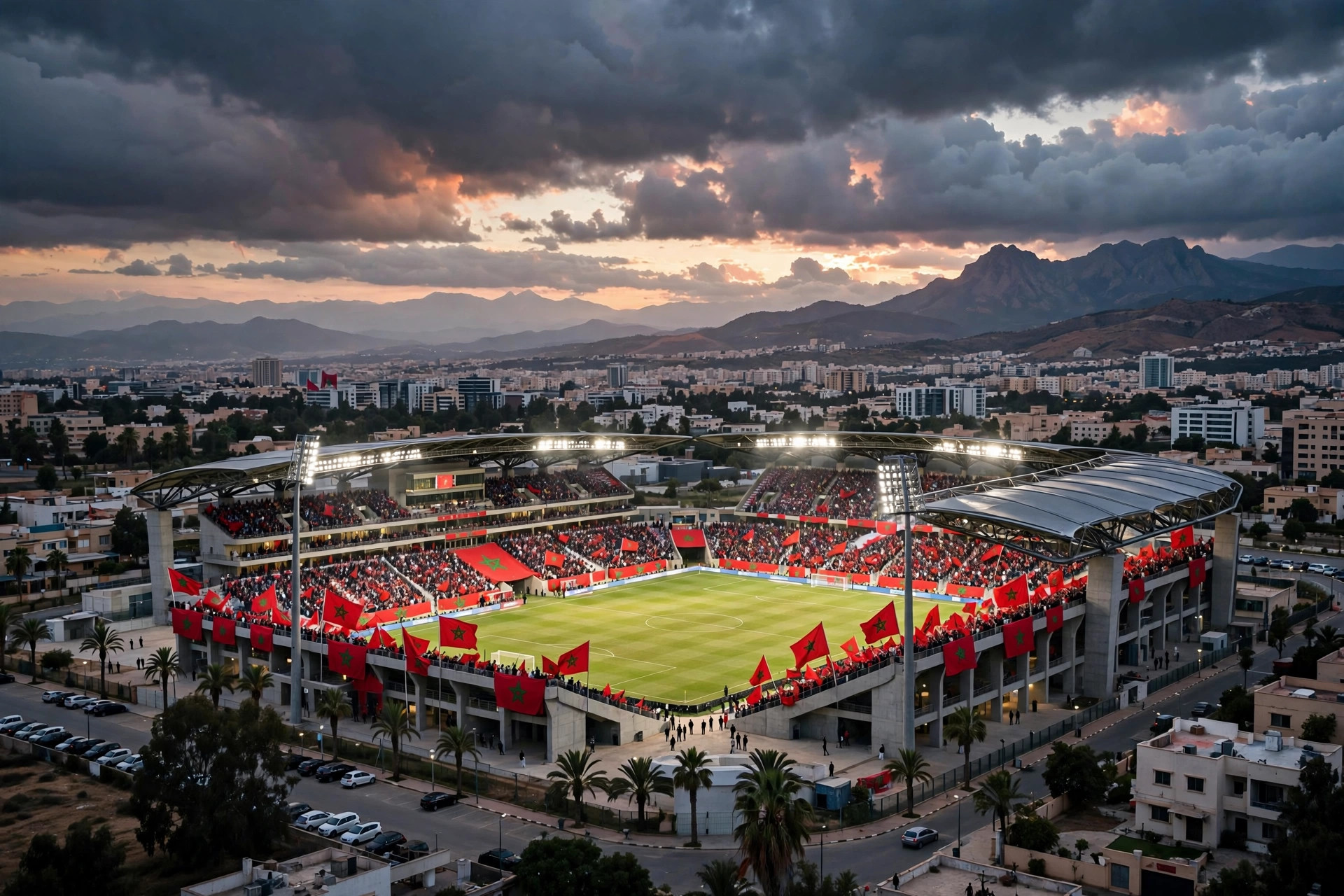
Morocco's contribution is six stadiums in six cities: Casablanca (the new Grand Stade Hassan II), Tangier (Ibn Batouta Stadium), Rabat (Prince Moulay Abdellah Stadium), Fes, Agadir (Adrar Stadium) and Marrakech (Grand Stade de Marrakech) — a mix of new builds and major renovations, all timed for 2030.
The 2030 World Cup final date and the venue race
The final — Sunday, July 21, 2030 — is the date every fan circles. The venue is the tournament's biggest unanswered question, and the Morocco–Spain race has become genuinely political.
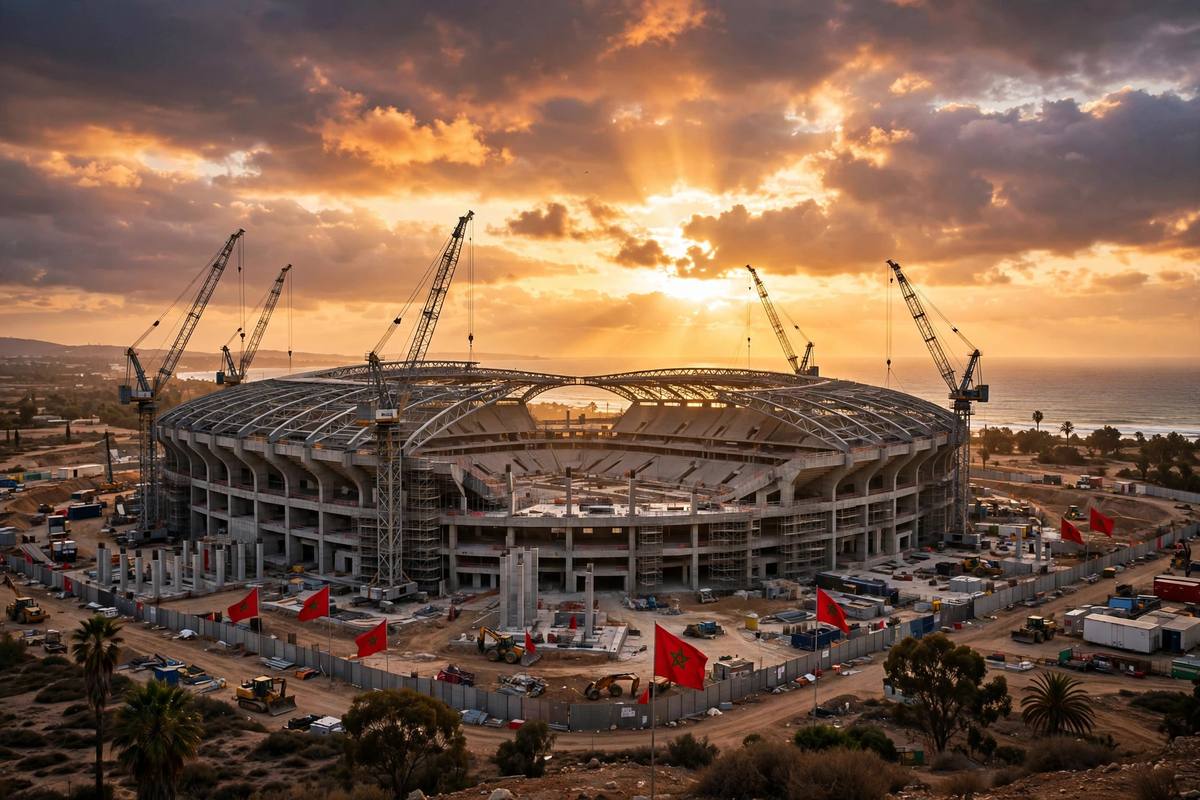
The three contenders: the Grand Stade Hassan II at Benslimane, near Casablanca — a 115,000-seat mega-stadium under construction, due in late 2027 or early 2028; the Santiago Bernabéu in Madrid — 83,186 seats, the stadium of the 1982 final; and the rebuilt Spotify Camp Nou in Barcelona — 105,000 seats.
FIFA's official position, restated in September 2026, is that no decision has been made — "a decision will be made by FIFA in due course". Press reports have swung between the Bernabéu and Camp Nou, but none are official; venue allocation is expected in 2028.
Why fans should care: the final venue decides where the closing week's crowds, prices and fan zones will be. Book the final week flexibly — in either country — until FIFA rules.
Planning your trip around the 2030 World Cup dates
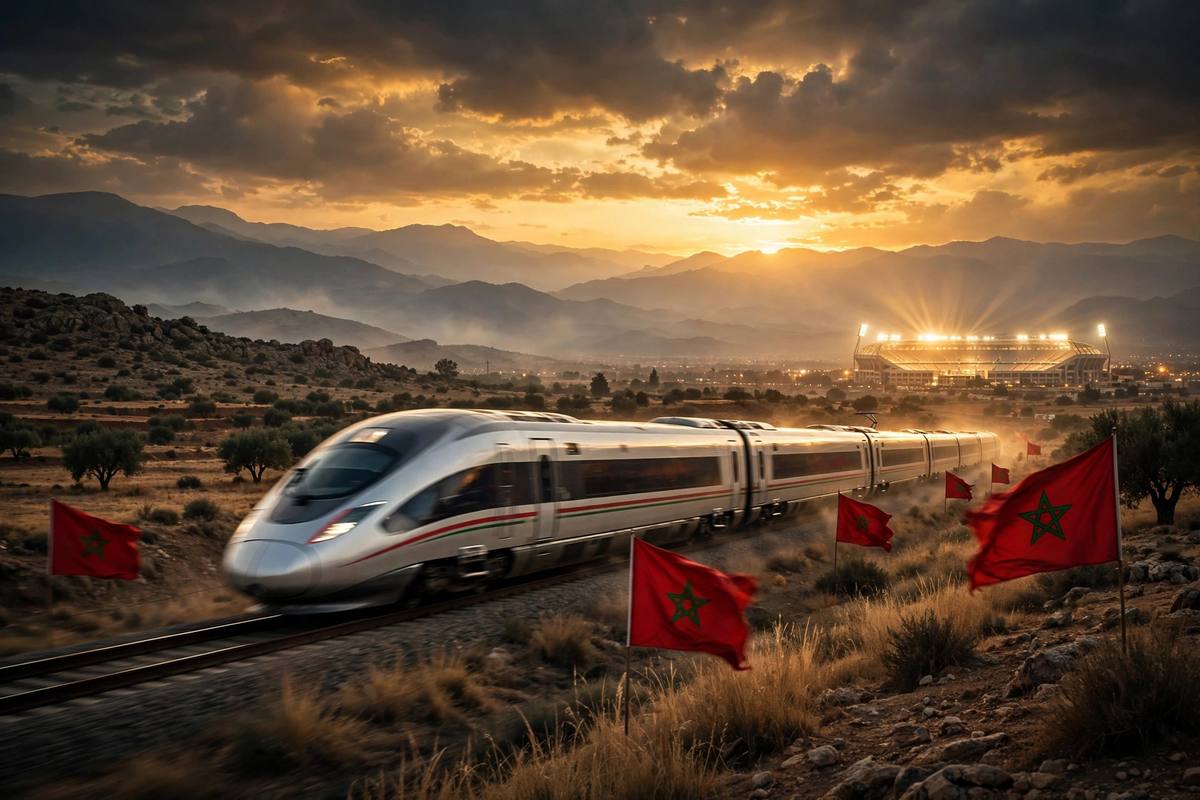
The 43-day window means you don't have to do it all at once. Morocco's six host cities are linked by the Al Boraq high-speed line and short domestic flights, and ferries connect Tangier with Spain.
The two demand peaks will be the opening week (mid-June) and the final week (mid-to-late July). The early knockout rounds in the first days of July are likely the cheapest window for flights and hotels.
Combine the calendar with the rest of your planning: our guides to Morocco's 2030 host cities, getting between the host cities and where to stay for the World Cup cover the logistics that the fixture list can't.
Plan your Morocco trip
Turn this guide into a booked trip: compare stays, flights and car rental across Morocco below.
Some links on this page are affiliate links. If you book through them, we may earn a commission at no extra cost to you — it keeps these guides free.
Frequently asked questions
When does the 2030 World Cup start?
The 2030 World Cup starts on June 8, 2030 with the centenary matches in Uruguay, Argentina and Paraguay. The main opening ceremony and opening matches in Morocco, Spain and Portugal follow on June 13–14, 2030.
When is the 2030 World Cup final?
The 2030 World Cup final is on Sunday, July 21, 2030. The venue has not been decided yet: FIFA says it will choose "in due course", with the Grand Stade Hassan II (Morocco), the Santiago Bernabéu and Camp Nou (Spain) the leading contenders.
Which Moroccan cities host 2030 World Cup matches?
Six cities: Casablanca, Tangier, Rabat, Fes, Agadir and Marrakech, each with its own stadium. Casablanca's Grand Stade Hassan II is under construction and set to hold 115,000 seats.
How many teams play at the 2030 World Cup?
48 teams and 104 matches — the format that debuted in 2026. FIFA has floated a possible 64-team expansion, but nothing has been decided.
When is the 2030 World Cup draw?
The draw date has not been announced yet; it is expected in 2029. The official match-by-match schedule will be released after the draw.