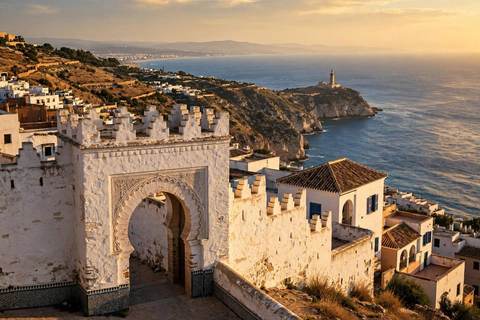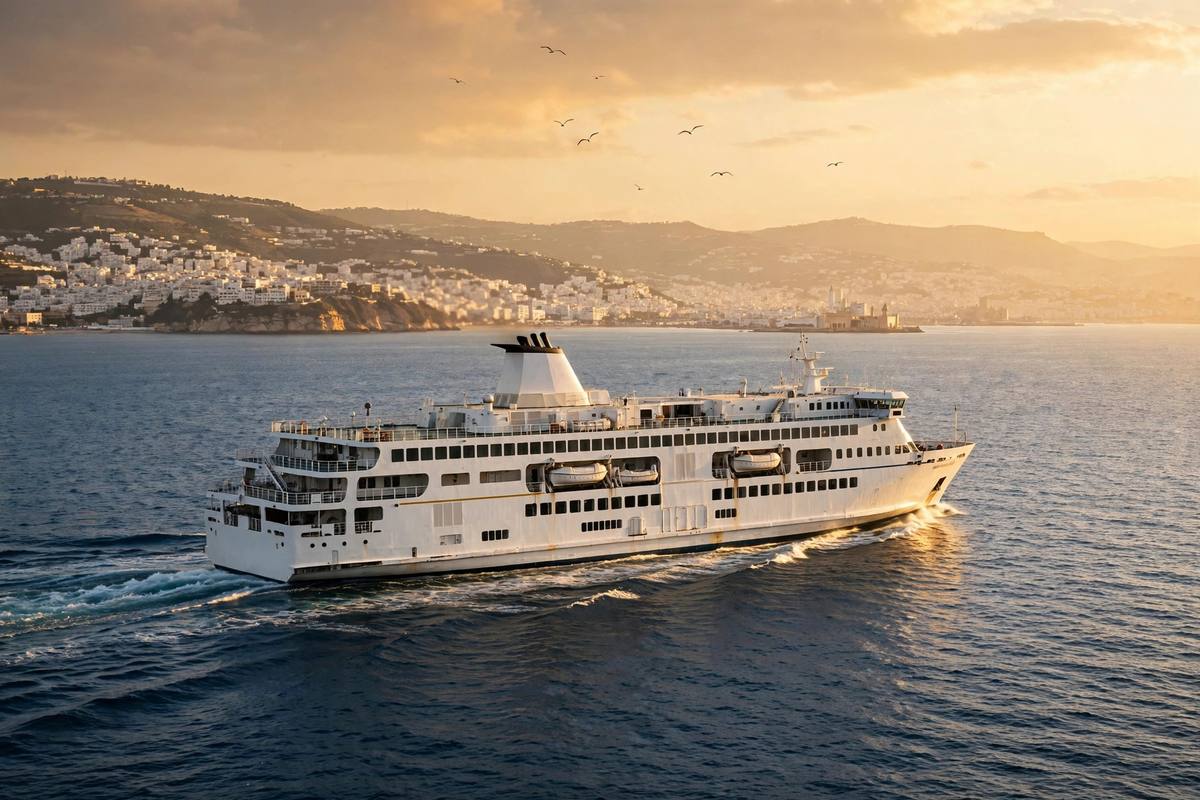
The Spain to Morocco ferry is the Strait of Gibraltar's worst-kept secret: every day, dozens of ferries shuttle passengers, cars and trucks across the 14 kilometres of water separating Europe from Africa. With the 2030 World Cup staged across Morocco, Spain and Portugal, these crossings become the tournament's most useful transport link — the fastest, cheapest way to hop between the Spanish and Moroccan legs of the tournament.
Whether you are basing yourself in Andalusia and popping over for Morocco's games, or using Tangier as your tournament HQ with Spanish fixtures a ferry ride away, this guide covers every route: which crossings to take, how long they take, what they cost, and how to book before the World Cup crowds do.
Why the ferry is the 2030 World Cup fan's shortcut
The 2030 World Cup is unusual: three host countries on two continents, with Tangier flying the Moroccan flag at the northern tip of Africa while Spanish fixtures play out a short sail away. Flights between the two coasts are thin and pricey; the ferry is not. A morning sailing from Tarifa puts you in Tangier in time for lunch — and for an evening kickoff.
It also solves the base-camp problem. Andalusia's Costa del Sol has some of Europe's cheapest hotel beds and biggest airports, while Tangier gives you the Moroccan host-city atmosphere. The ferry lets you sleep in one country and watch football in the other. Skim our World Cup accommodation guide to decide where to base yourself first.
Spain to Morocco ferry routes: the three crossings that matter
Algeciras → Tanger Med: the workhorse
The busiest Spain to Morocco ferry route. Fast ferries from Algeciras reach Tanger Med in about an hour, with departures every 60–90 minutes for most of the day, operated by FRS, Africa Morocco Link and Balearia. Foot passengers, cars, caravans and coaches are all welcome. One caveat: Tanger Med is a giant commercial port about 40 kilometres east of Tangier itself — shuttle buses and grand taxis cover the last leg into the city in 30–45 minutes.
Tarifa → Tangier Ville: the fast one
The shortest crossing on the strait: Tarifa to Tangier's city-centre port in just 35–40 minutes, run by FRS and Intershipping. This is the route for foot passengers — car spaces are limited and sell out first. The payoff is huge: you step off the ferry directly into Tangier, minutes from the medina and the city's grand cafés.
Algeciras → Ceuta, then the land border
Ceuta is Spanish territory on the African coast, about 40 minutes by ferry from Algeciras. From there it is a short taxi or bus ride to the Fnideq border crossing into Morocco. It works, and sailings are frequent — but border queues at Fnideq can be slow, so treat it as a backup plan rather than your first choice.
Two longer routes exist for travellers already deep in Spain: Almería → Nador (a 7–8 hour overnight sailing) and Motril → Melilla, another Spanish enclave with a land border into Morocco. Useful if you are road-tripping down the Spanish coast; overkill for most World Cup fans.
How much is the ferry from Spain to Morocco?
On the short strait routes, a foot passenger typically pays €30–45 one way; a car with driver starts around €150–250 depending on season, vehicle size and how early you book. Overnight cabins on the Almería–Nador sailing cost extra. Prices climb steeply in summer and around holidays — and will do the same around the World Cup, when tens of thousands of fans chase the same sailings. Booking the moment fixtures are confirmed is the best money-saving move you can make.
How long is the ferry from Spain to Morocco?
- Tarifa → Tangier Ville: 35–40 minutes at sea.
- Algeciras → Tanger Med: about 1 hour at sea.
- Algeciras → Ceuta: about 40 minutes, plus border time.
- Almería → Nador: 7–8 hours, overnight.
Add port time: arrive 60 minutes before departure as a foot passenger and 90 minutes with a car, because passport control and vehicle checks happen before boarding.
Ferry schedules for 2030 will open roughly 6–9 months before the tournament. Book refundable or flexible tickets the day fixtures are announced — popular sailings around Morocco's match days will sell out, and walk-up fares will be painful.
Border formalities and car paperwork on the ferry
Crossing the strait is an international border crossing, and it happens at the port: Moroccan passport police check documents before you board in Spain (and Spanish police on the way back). Have your passport ready, and check whether your nationality needs a visa for Morocco in our 2030 World Cup visa guide — EU, UK and US passport holders get 90 days visa-free.
Taking a car on the Spain to Morocco ferry? You need the vehicle registration document, your driving licence and insurance valid in Morocco — a green card that lists Morocco, or temporary "frontier insurance" sold at the ports on both sides. Keep the paperwork in the car for the whole trip: police checkpoints are common on Moroccan roads.
One last thing: the strait is famous for its wind. The levante occasionally forces cancellations on the small Tarifa boats — if your crossing is the day of a match, sail the day before. A missed ferry is a bad way to miss a World Cup.
Plan your Morocco trip
Turn this guide into a booked trip: compare stays, flights and car rental across Morocco below.
Some links on this page are affiliate links. If you book through them, we may earn a commission at no extra cost to you — it keeps these guides free.
Frequently asked questions
How far is Spain to Morocco by ferry?
At its narrowest, the Strait of Gibraltar is only about 14 kilometres (9 miles) wide. The shortest crossing, Tarifa to Tangier, covers roughly 15 km of sea; Algeciras to Tanger Med is about 30 km.
How long is the ferry from Spain to Morocco?
The fast strait crossings take 35–40 minutes (Tarifa to Tangier Ville) or about an hour (Algeciras to Tanger Med). The overnight sailing from Almería to Nador takes 7–8 hours. Arrive 60–90 minutes before departure for check-in and passport control.
How much is the ferry from Spain to Morocco?
Foot passengers typically pay €30–45 one way on the short strait routes; a car with driver costs from about €150–250, depending on season, vehicle size and how early you book. Expect World Cup 2030 demand to push prices up — book as early as possible.
Is the ferry from Spain to Morocco safe?
Yes. The strait crossings are operated by large, modern ferries on short, sheltered routes with strong safety records. Sailings can be delayed or cancelled in high winds — the famous levante — so build buffer time into match-day plans.
Can I take my car on the ferry to Morocco?
Yes — most ferries on the strait routes carry cars. Bring your vehicle registration document, driving licence and insurance valid for Morocco (a green card that lists Morocco, or temporary frontier insurance bought at the port).