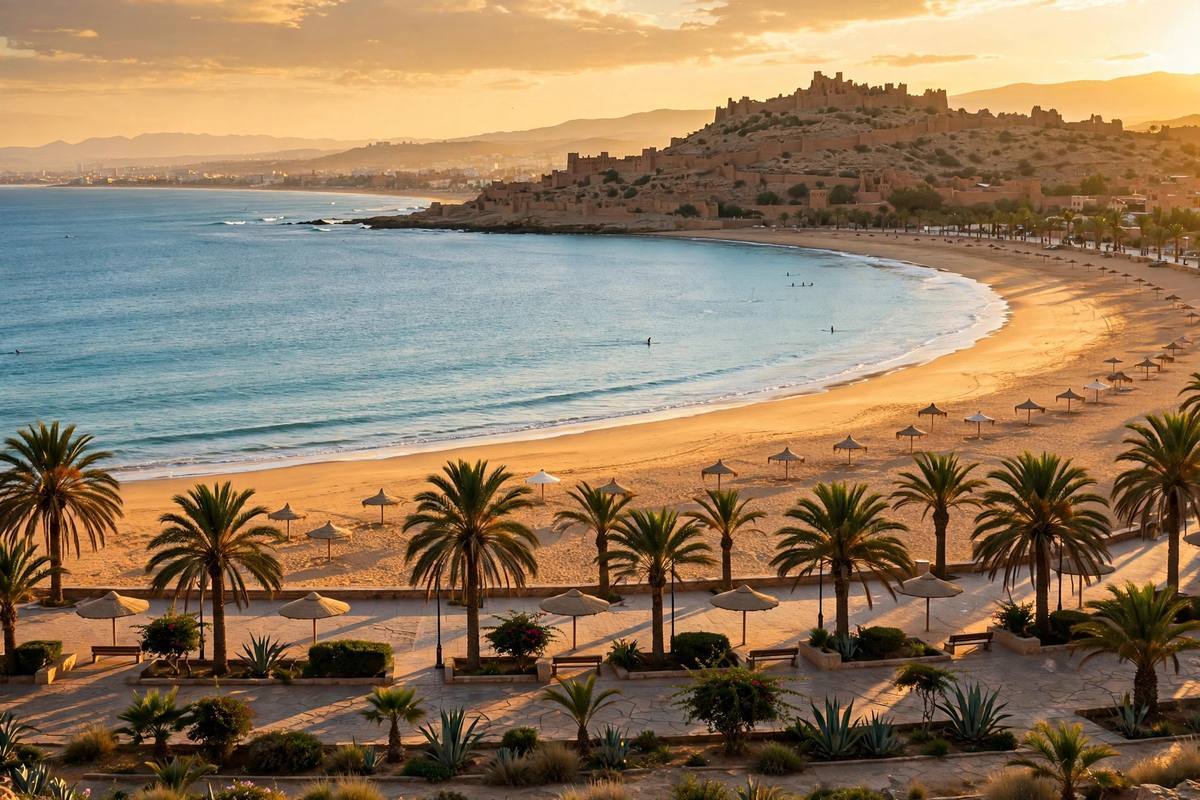
Agadir is not the Morocco of the postcards — no ancient medina, no desert gates — and that is precisely its charm. Rebuilt from scratch after the devastating earthquake of 1960, Morocco's beach capital is a modern resort city wrapped around a magnificent 10-kilometre bay. The sand is golden and the water calmer than anywhere else on the Atlantic coast, the surf towns of the north are an easy hop away, and the Anti-Atlas mountains loom behind the palm trees. Three days here is the sweet spot: enough for the beach, the culture, and one adventure day inland.
Day 1 — the beachfront and the Corniche
Start where everyone ends up: Agadir Beach. The bay faces west but curls protectively northward, so the waves arrive gentler than at Essaouira or Taghazout — perfect for swimming, and the reason Agadir claims some of the country's safest ocean water. The promenade, the Corniche, runs the whole length: a wide pedestrian strip of cafés, ice-cream stands and joggers. Grab a sun lounger near the centre in the morning, then walk the full Corniche in the late afternoon when the light turns golden and the whole city seems to be strolling.
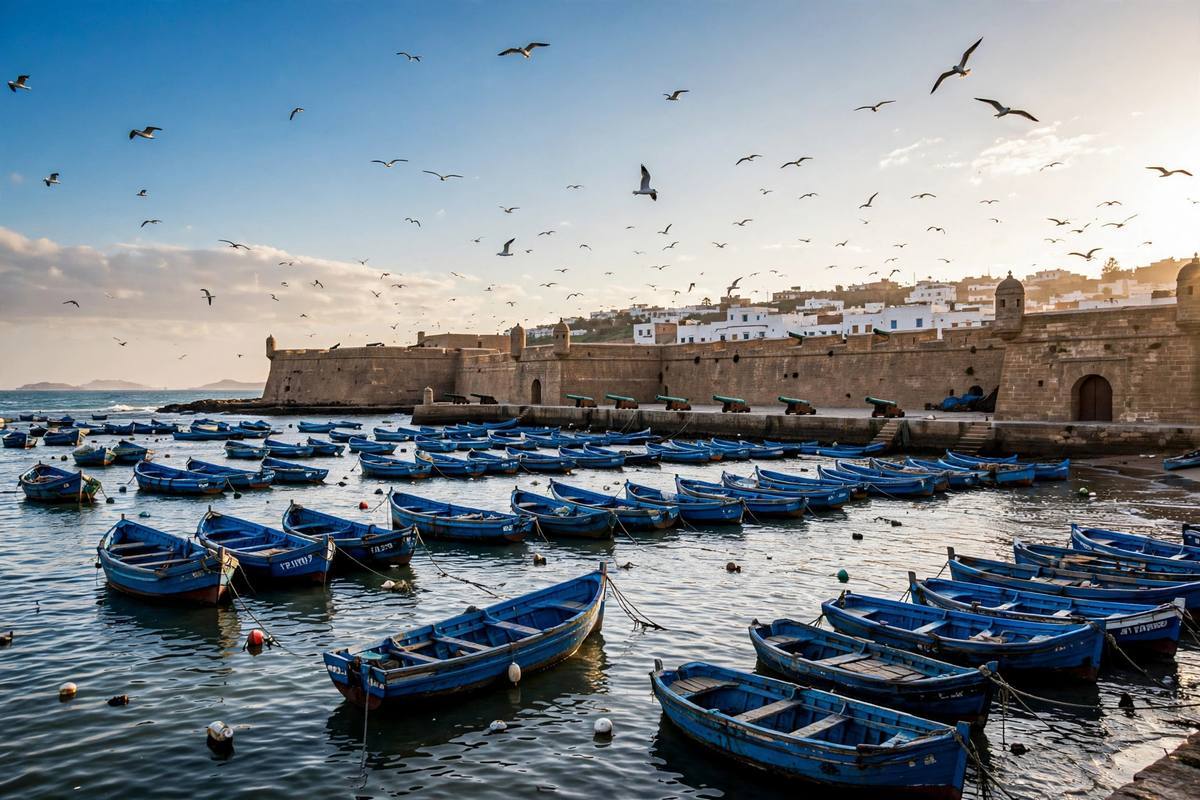
Finish at the Marina d'Agadir, the yacht harbour at the bay's southern end, for dinner. The marina's restaurants are the most polished in the city — grilled sea bass, lobster and sole straight off the fishing boats that land a few hundred metres away at the port.
Day 2 — the Kasbah, the new medina and the souk
Head uphill to the Kasbah Oufella, the 16th-century hilltop fortress that survived 1960 while the city below did not. What remains are ramparts, a gate and the best viewpoint in Agadir — the whole bay unfurls below you. The easiest way up is the cable car, opened in 2022, which glides from the Corniche to the summit in minutes (about 150 MAD return). Go an hour before sunset and stay for the light.
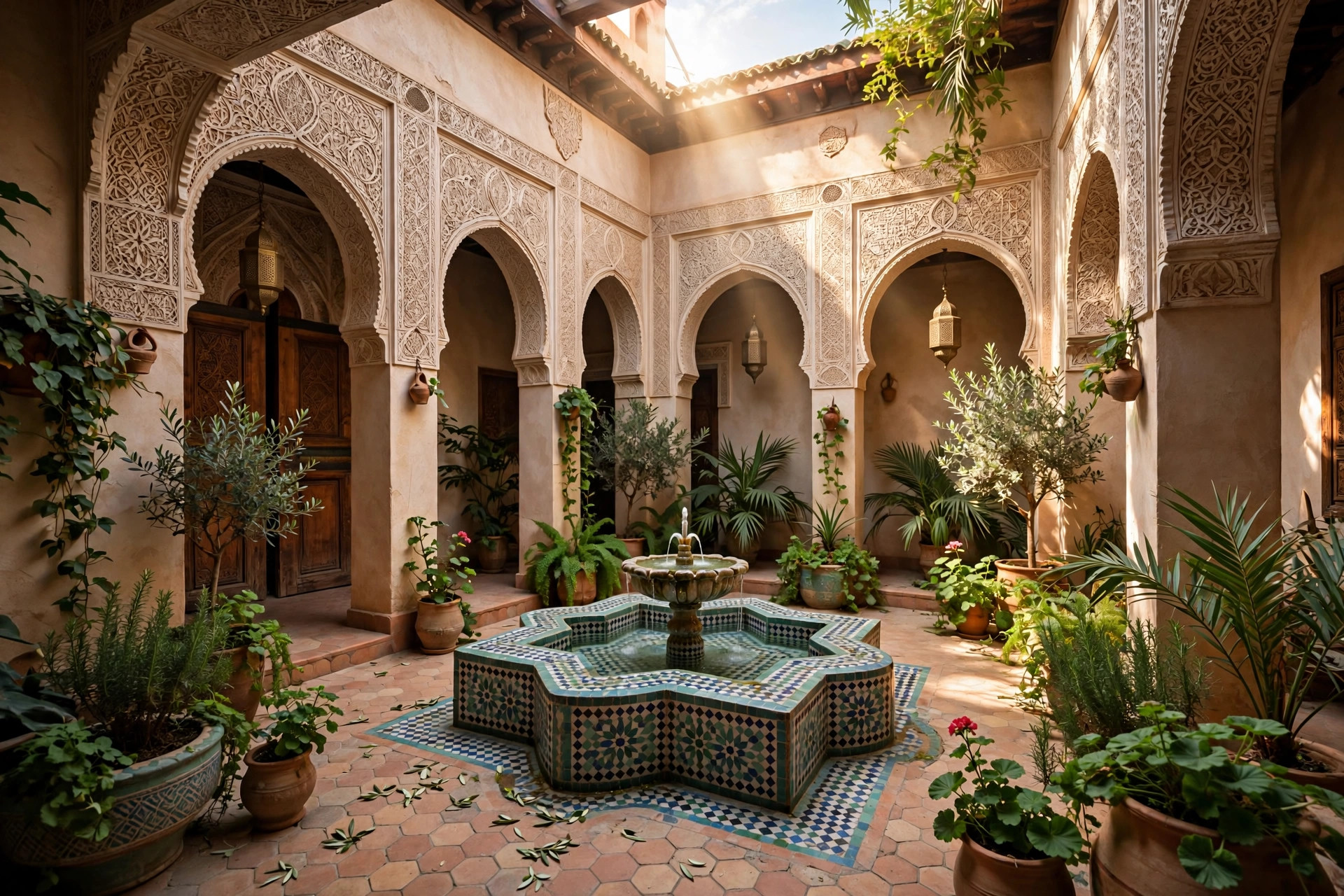
Back down, visit La Médina d'Agadir — the "medina" the earthquake destroyed, rebuilt by hand by Italian architect Coco Polizzi in the 1990s using traditional techniques. It is not old, but it is beautiful: workshops of woodworkers, weavers and jewellers line its stone alleys, and it is an easier, calmer place to shop than a real souk.
Then dive into a real one: Souk El Had, one of Morocco's biggest covered markets, with over 6,000 stalls selling spices, argan oil, babouches and everything in between. Haggle with a smile and buy your argan oil here rather than on the beach — the cooperatives in the Souss make some of the finest in the country.
Time your Kasbah visit for late afternoon: the cable car ride up, sunset over the bay, and dinner at the marina make the perfect Agadir evening. The fortress ruins themselves need just 30–45 minutes.
Day 3 — Taghazout and Paradise Valley
Day three is adventure day, and you have two excellent options — or, with an early start, both. Taghazout, 20 kilometres north, is Morocco's surf capital: a laid-back fishing village turned surf town with legendary right-hand point breaks like Anchor Point. Even if you have never stood on a board, half-day lessons on the gentle beach breaks at Tamraght or Banana Beach cost around 300 MAD including board and wetsuit. September to April brings the best swells.
Alternatively — or after your lesson — drive 35 kilometres inland to Paradise Valley, a gorge of palm groves and natural pools where you can swim, try a small cliff jump and eat tagine at a riverside café. Go on a weekday and arrive before 11 am to beat the tour buses; bring water shoes for the slippery rocks. The nearby Imouzzer waterfalls and the famous Honey Route through the Ida Outanane villages make a lovely extension if you have a car.
Agadir works well without a car: the beach, souk and marina are walkable, and grand taxis to Taghazout cost a few dozen dirhams. Rent a car only for the Paradise Valley day — or join one of the many small-group 4x4 tours that leave from the beachfront hotels.
Where to eat
- Fish at the port — the fishing port's grills serve the day's catch at plastic tables: sardines, sole and calamari at local prices.
- Marina restaurants — upscale seafood with harbour views; book for sunset.
- Tagine in La Médina — lunch inside the reconstructed medina, with live gnawa music on some afternoons.
- Beach clubs on the Corniche — brunch spots and smoothie bars for the morning after the surf.
- Taghazout cafés — smoothie bowls, shakshuka and strong coffee in the surf town, 20 minutes north.
Where to stay
The Hay Riad / Founty strip along the beachfront holds the big resorts — all-inclusives and five-stars with direct beach access. The Marina quarter suits couples wanting restaurants on the doorstep, while Tamraght and Taghazout are the picks for surfers and anyone who prefers hostels and surf camps to hotel buffets. For atmosphere, a boutique riad in the new town puts you between the souk and the beach. Wherever you stay, Agadir is a year-round destination with more than 300 days of sunshine — but book ahead for the Christmas–New Year and February–April surf-season peaks.
Practical tips for Agadir
- Getting there: Agadir–Al Massira airport is 25 km southeast. Bus 20 runs to the city for a few dirhams; grand taxis charge around 200 MAD. The airport shuttle drops you near the beach hotels.
- Getting around: the Corniche, souk and marina are walkable; petits taxis are cheap with the meter on. Local buses 1 and 2 link the beach to the new town.
- Money: ATMs are everywhere on the beachfront; most restaurants and hotels take cards, but carry dirhams for the souk, taxis and Taghazout.
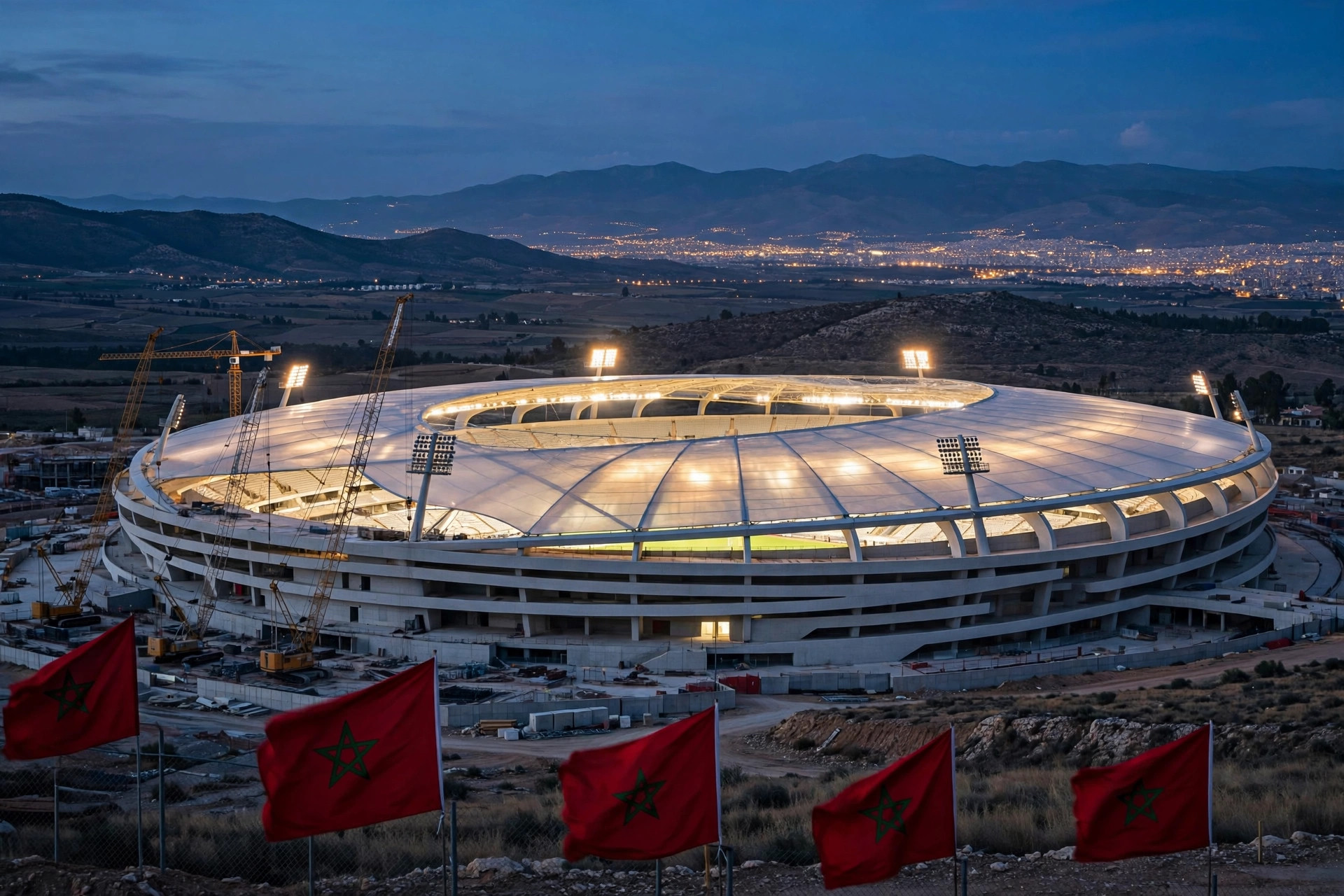
- World Cup 2030: Agadir's Adrar Stadium is on the tournament map — expect the beachfront to buzz during the World Cup.
Plan your Morocco trip
Turn this guide into a booked trip: compare stays, flights and car rental across Morocco below.
Some links on this page are affiliate links. If you book through them, we may earn a commission at no extra cost to you — it keeps these guides free.
Frequently asked questions
Is Agadir worth visiting?
Yes — if you want Morocco with a beach holiday folded in. Agadir's 10-kilometre bay has the calmest swimming water on the Atlantic coast, the surf towns of Taghazout and Tamraght are 20 minutes away, and day trips to Paradise Valley and the Souss countryside are easy. It is not a medina-and-souk city like Marrakech or Fes, so pair it with one of them for a complete Morocco trip.
When is the best time to visit Agadir?
Agadir gets more than 300 days of sunshine a year, so there is no bad month — but October to April is the sweet spot: warm days (20–25°C), cool evenings and the best surf swells. July and August are hot and busy with domestic tourists; the sea is calmest in summer and autumn.
How do I get from Agadir airport to the city?
Agadir–Al Massira airport sits about 25 km from the beach. The cheapest option is bus 20, which runs to the city centre for a few dirhams. A grand taxi costs around 200 MAD (agree the price before you get in), and most beachfront hotels can arrange a pickup for a similar price.
Is Taghazout better than Agadir for surfing?
For experienced surfers, yes — Taghazout's point breaks (Anchor Point, Killer Point) are Morocco's most famous waves, best from September to April. For beginners, Agadir's gentler beach breaks and Tamraght's mellow waves are actually better places to learn, with half-day lessons around 300 MAD including board and wetsuit.
Can you swim in the sea in Agadir?
Yes — Agadir's bay is the calmest swimming spot on Morocco's Atlantic coast, sheltered from the worst of the ocean swell, with lifeguards on duty along the main beach in the high season. The water is Atlantic-fresh (around 19–22°C most of the year), and currents pick up at the northern end near Taghazout, so swim where the flags are.