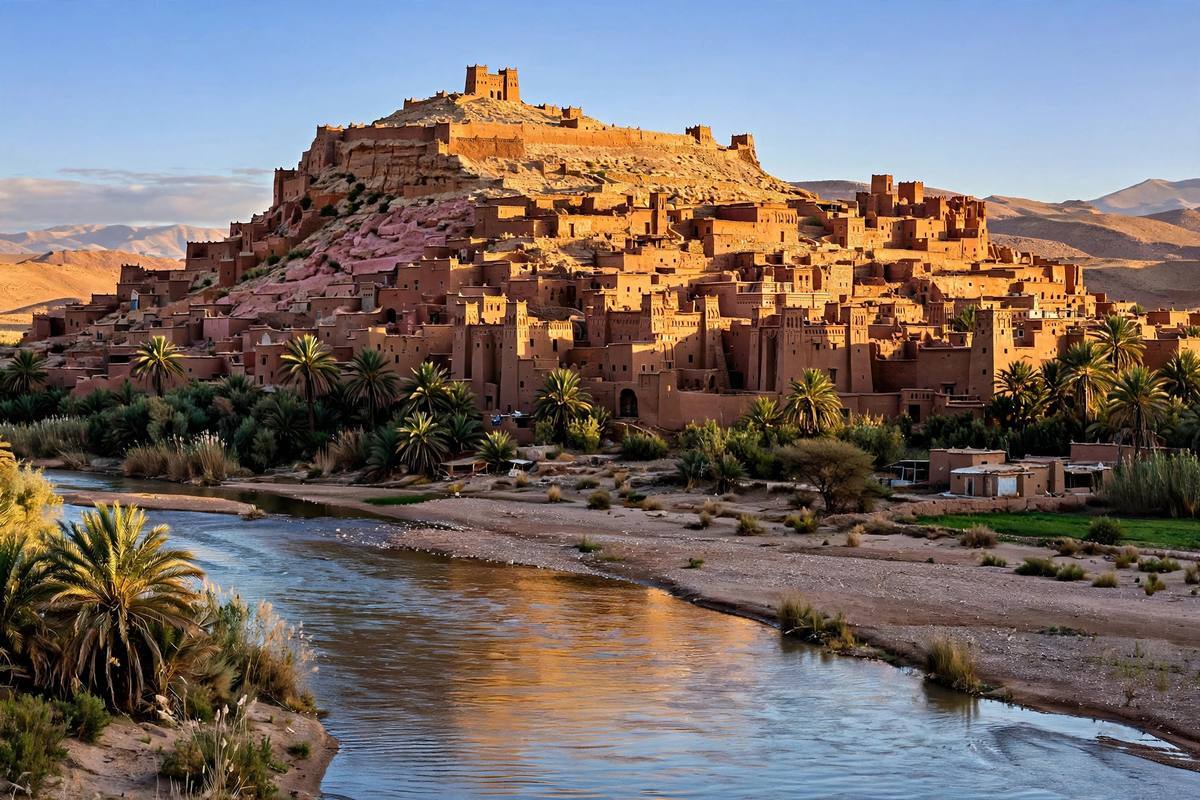
The Ait Ben Haddou restoration is entering its final stretch. Morocco's most famous earthen ksar — the UNESCO-listed fortified village of red clay on the old caravan road between Marrakech and the Sahara — has been wrapped in scaffolding and repair crews since restoration work officially began in February 2025. The project, launched after the September 2023 earthquake cracked towers and collapsed walls across the site, is now approaching completion — and it changes what your visit looks like, in a good way.
You've almost certainly seen this skyline before: Ait Ben Haddou has starred in Lawrence of Arabia, Gladiator, The Mummy and as Yunkai in Game of Thrones. What the cameras never show is the maintenance this kind of architecture demands. Earthen buildings — rammed earth (pisé), adobe and clay brick — need constant care, and the 2023 earthquake turned routine upkeep into a full-scale rescue.
Ait Ben Haddou restoration: what the works actually cover
According to Morocco's October 2025 conservation report to UNESCO, the overall damage was rated moderate and the integrity of the whole site was not compromised. But several buildings were left with cracked towers, damaged walls and weakened roofs, and the collective granary crowning the hilltop was seriously damaged.
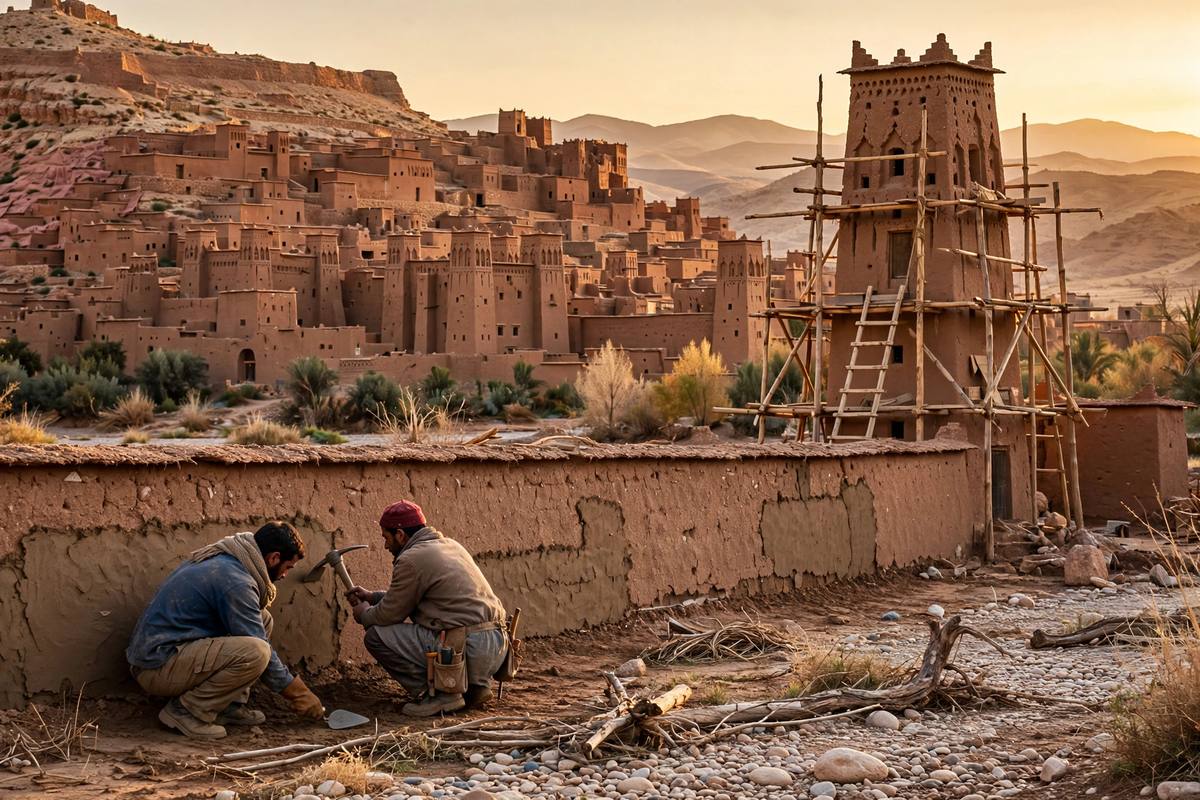
The restoration program covers the damaged houses, defensive structures and internal passages of the ksar, plus the hilltop granary and fortress remains — with rockfall and flood protection work around the site as well. Crucially, the repairs use the same traditional techniques the ksar was built with: local craftsmen working in rammed earth and adobe under the eye of conservation committees, so the restored towers weather back into the same red-clay landscape instead of looking patched with concrete.
Restoration is not a one-off event at Ait Ben Haddou — earthen architecture is rebuilt continuously. The ksar you see today is the product of centuries of this cycle, which is why the repair work is worth seeing in its own right, not just as an inconvenience.
How far along is the Ait Ben Haddou restoration?
In a June 2026 update published on Morocco's official government portal, Maroc.ma, the restoration was reported at roughly 80–85% complete, with the remaining work expected to take about four months — putting the anticipated completion around late October 2026.
That is a projected window, not a confirmed completion date: as of early October 2026, Moroccan authorities had not published a final percentage confirming the works are fully finished. Still, the direction is clear. The same official update described restoration as only the first phase — the next phase is meant to enhance the heritage site and generate stronger tourism activity through the year, with an eye on the 2030 FIFA World Cup spotlight.
Visiting during the Ait Ben Haddou restoration: what's open
The ksar has remained open to visitors throughout the works, and 2026 is actually a fascinating time to come: you can watch traditional earthen-architecture repair happening on a UNESCO site. A few practical notes:
- Expect scaffolding on some upper towers. The classic postcard shot is still very much available — just framed from slightly different angles.
- The upper walking route is usually accessible, but access around the hilltop granary remains can change as works progress. Ask locally before heading to the very top.
- Follow barriers and signs. Avoid entering visibly unstable or closed buildings, and never climb onto walls for a photograph — restoration zones are active work sites.
- Hire a local guide at the entrance. Guides from the village add enormous context — the film history, the clan stories, which tower is which — and your fee supports the community doing the rebuilding.
Arrive before 10am or after 4pm. The light on the red clay is at its best, the midday heat (brutal in summer) has eased, and the day-trip coaches from Marrakech are thinner.
Getting there and where to stay
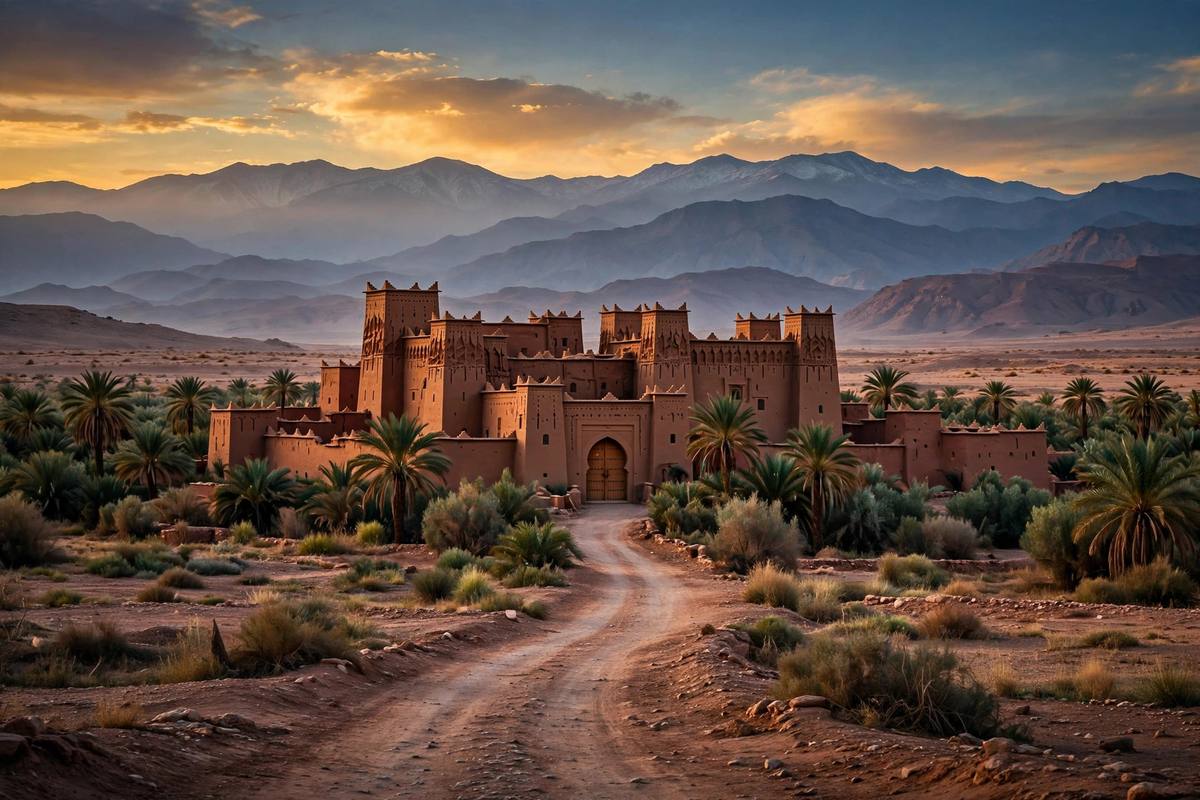
Ait Ben Haddou sits about four hours from Marrakech via the Tizi n'Tichka pass — one of Morocco's great mountain drives. Most visitors come on a day trip, but staying overnight is the smarter move: you get the ksar at sunset and sunrise, when the clay glows, and you can combine it with Ouarzazate's film studios and kasbahs, just 30 minutes down the road. For the full logistics of moving around the country, see our getting-around guide.
Sleep across the river in the modern village's guesthouses for dawn views over the ksar, or base yourself in Ouarzazate for more hotel choice. Either way, book the night — the day-trippers leave by late afternoon, and the ksar at dusk belongs to whoever stayed.
Ait Ben Haddou in 2027: what comes next
Once the repair phase wraps up, the focus shifts to destination management: better visitor flow, interpretation of the site, and year-round tourism rather than just the spring and autumn peaks. With the 2030 World Cup pulling new attention to Morocco's heritage sites, Ait Ben Haddou is positioning itself as the centerpiece of the southern circuit — the cultural counterweight to the Sahara dunes and the Atlas trails.
Our verdict: don't wait for the scaffolding to come down. The restoration-era ksar is a once-in-a-generation sight — a thousand-year-old building technique, visibly at work, on one of the world's most photographed villages.
Plan your Morocco trip
Turn this guide into a booked trip: compare stays, flights and car rental across Morocco below.
Some links on this page are affiliate links. If you book through them, we may earn a commission at no extra cost to you — it keeps these guides free.
Frequently asked questions
Is Ait Ben Haddou open during the restoration?
Yes — the ksar has stayed open to visitors throughout the restoration works. Some upper towers carry scaffolding and individual sections may be roped off as works progress, so follow local barriers and signs, and ask village guides about access to the hilltop granary area before climbing.
Was Ait Ben Haddou damaged in the 2023 earthquake?
Yes. The September 2023 earthquake cracked several towers, caused partial wall collapses in the upper sections, and seriously damaged the collective granary on the hilltop. Morocco's conservation report to UNESCO rated the overall damage moderate, with the site's integrity intact.
When will the Ait Ben Haddou restoration be finished?
Morocco's official portal reported roughly 80–85% completion in June 2026, with the remaining works expected to take about four months — pointing to around late October 2026. That is a projection, not a confirmed completion date.
Can you still walk to the top of the ksar?
Usually, yes — the upper walking route is generally accessible. Access near the hilltop granary remains can change while works continue. Never climb onto walls or enter roped-off buildings for a photograph.
How do I get to Ait Ben Haddou from Marrakech?
It's about a four-hour drive via the Tizi n'Tichka pass. Day trips run daily from Marrakech, but staying overnight lets you see the ksar at sunset and combine it with Ouarzazate, 30 minutes away.