Choosing between a riad vs hotel in Morocco is one of the first decisions you will make — and there is a third option many travellers have never heard of: the dar. This guide explains what each one actually is, what they cost in dirhams, and which suits your trip, whether you are spending three days in Marrakech or two weeks crossing the country.
What is a Moroccan riad?
A riad is a traditional Moroccan townhouse built around an interior courtyard. The word riad means garden: the courtyard was historically planted with orange trees around a central fountain, with rooms opening onto it over two or three floors. Today the word almost always means a guesthouse — a restored old house in the medina with a handful of rooms, a rooftop terrace, and breakfast served on the patio.
The magic is the contrast. From the street, a riad is a tall, plain, windowless wall with a heavy wooden door in a noisy alley. Step through it and you are in a quiet tiled courtyard with birdsong, zellige mosaics, and mint tea appearing as if by magic. That surprise is the whole point — and the main reason travellers choose a riad over a hotel in Morocco.
Riad vs dar: what’s the difference?
A dar is also a traditional house, but smaller and simpler — dar simply means house. In practice:
- Riads are the courtyard-garden houses: grander, often with a plunge pool or fountain court, 5–10 rooms, and polished decor aimed at international guests.
- Dars are humbler family houses converted into guesthouses: 3–5 rooms, simpler furnishings, a small patio instead of a grand courtyard — and noticeably lower prices.
Many places blur the line and call themselves riads whatever the size. As a rule of thumb: if the photos show a big courtyard with a fountain, it is a riad in spirit; if it is a cosy house with a small patio, expect dar-level prices and service. Either can be wonderful — the label matters less than the reviews.
Riad vs hotel in Morocco: the honest comparison
Atmosphere and character. Riads win easily. You are staying in a piece of Moroccan architecture, usually run by a host who knows the medina street by street. Hotels — even good ones — feel like hotels anywhere. If the building itself is part of the trip for you, book the riad.
Rooms. Hotel rooms are standardized: you know what a 3-star double looks like. Riad rooms vary wildly — some are spectacular suites with carved ceilings, others are small and dark. Always check whether your room has a window onto the courtyard (quiet, lovely) or the street (bright but noisy), and ask for photos of the actual room, not just the courtyard.
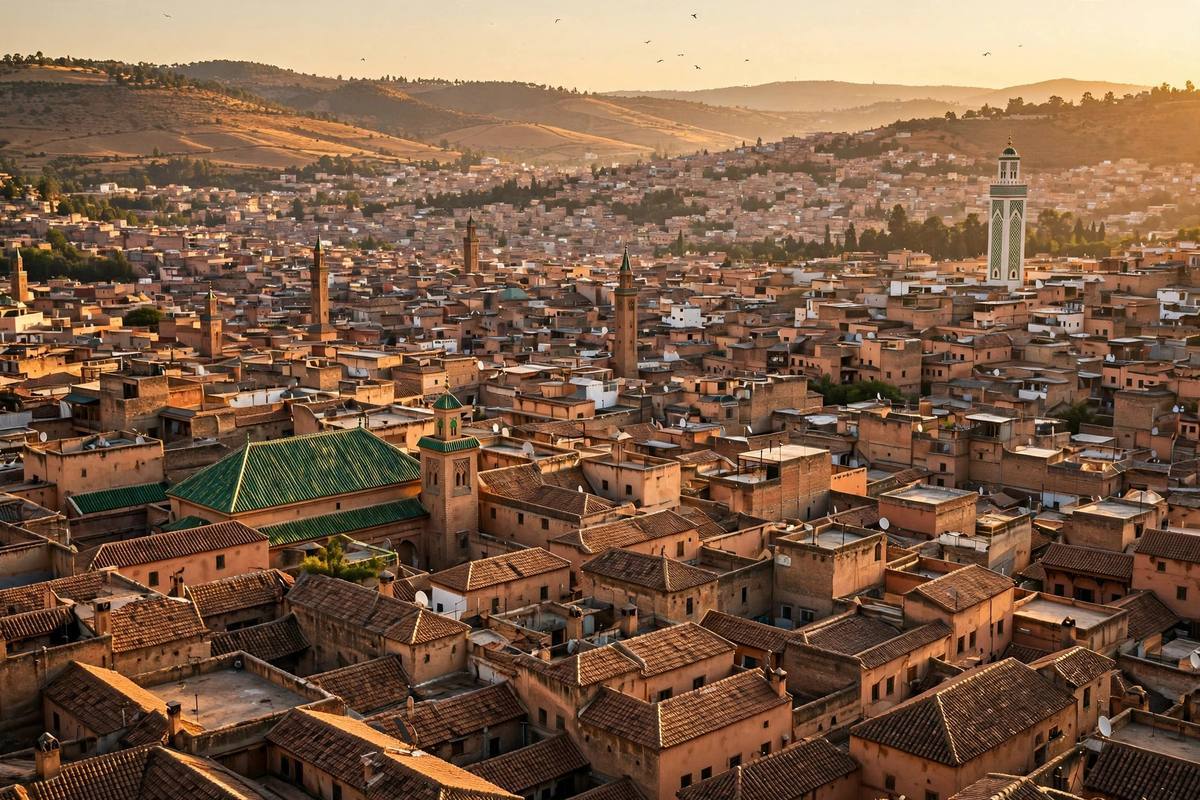
Location. Riads sit inside the medina: you step out of the door and into the souks. Hotels cluster in the new town (Gueliz and Hivernage in Marrakech, the Ville Nouvelle in Fes) or along the beach in Agadir and Essaouira — easier taxi access, but a taxi ride away from the old city.
Food. Riads serve a big Moroccan breakfast — msemen flatbreads, eggs, olives, fresh orange juice — usually included in the rate, and most will cook dinner if you ask in the morning. Hotels have proper restaurants with broader menus and serve alcohol, which riads never do.
Pools and facilities. Many riads have a small courtyard plunge pool, but it is usually unheated and too small for laps — fine for a dip in July, chilly the rest of the year. Hotels have full-size pools, gyms, and spas. If swimming matters, verify pool size in the photos, not the description.
Your taxi can only reach the edge of the old town — cars cannot enter the medina. Message your riad with your arrival time: good ones send someone to meet you at the nearest square and walk you in. Save the riad’s phone number and an offline map pin before you land.
How much do riads and hotels cost in Morocco?
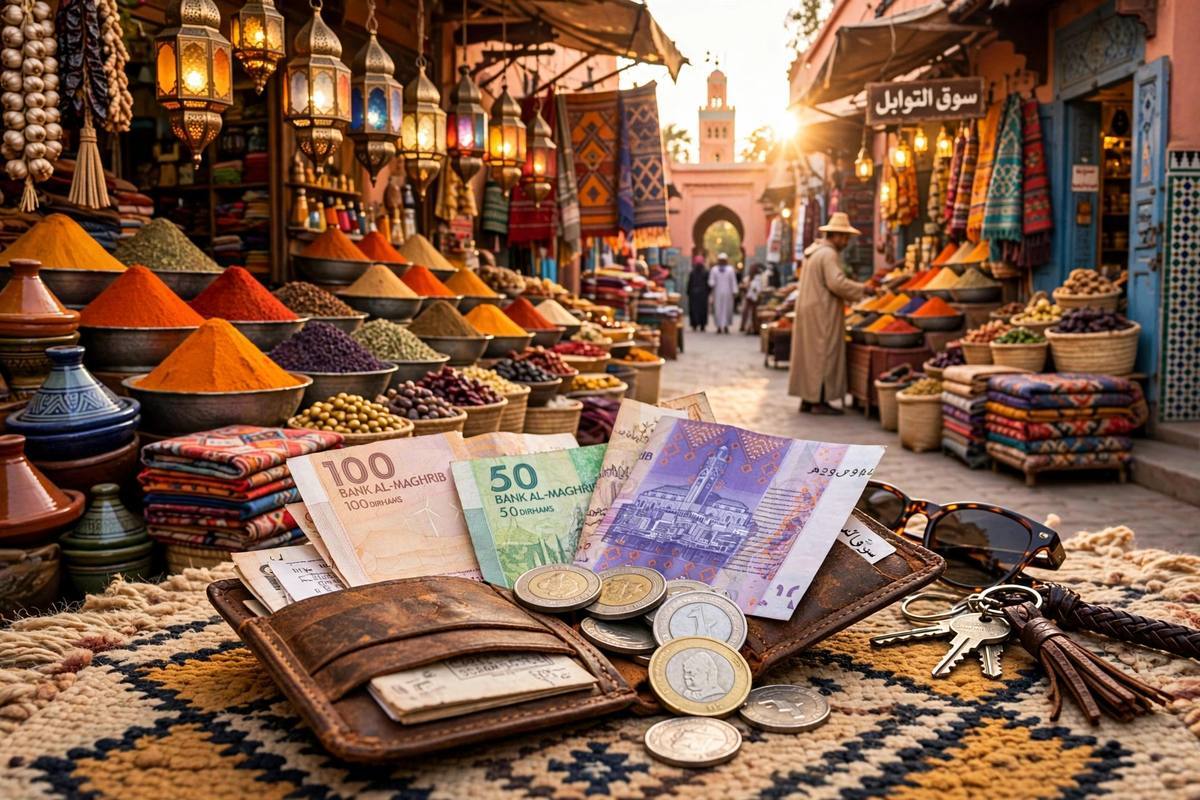
Realistic per-night ranges for two people, 2026:
- Budget dar or guesthouse: 250–500 dirhams — simple rooms, breakfast often included
- Mid-range riad: 600–1,200 dirhams — courtyard, rooftop terrace, breakfast included
- Luxury riad: 1,500–4,000+ dirhams — suites, pool, sometimes a hammam
- Budget hotel (2-star): 200–400 dirhams — basic, usually in the new town
- Mid-range hotel (3–4 star): 700–1,500 dirhams — pool, restaurant, 24-hour reception
- Luxury hotel (5-star): 2,000+ dirhams — resorts and palace hotels
Riad rates almost always include breakfast and the host handles the tourist tax paperwork; hotels sometimes add the city tax (around 20–30 dirhams per person per night) at checkout — check before you compare.
When a riad is worth it
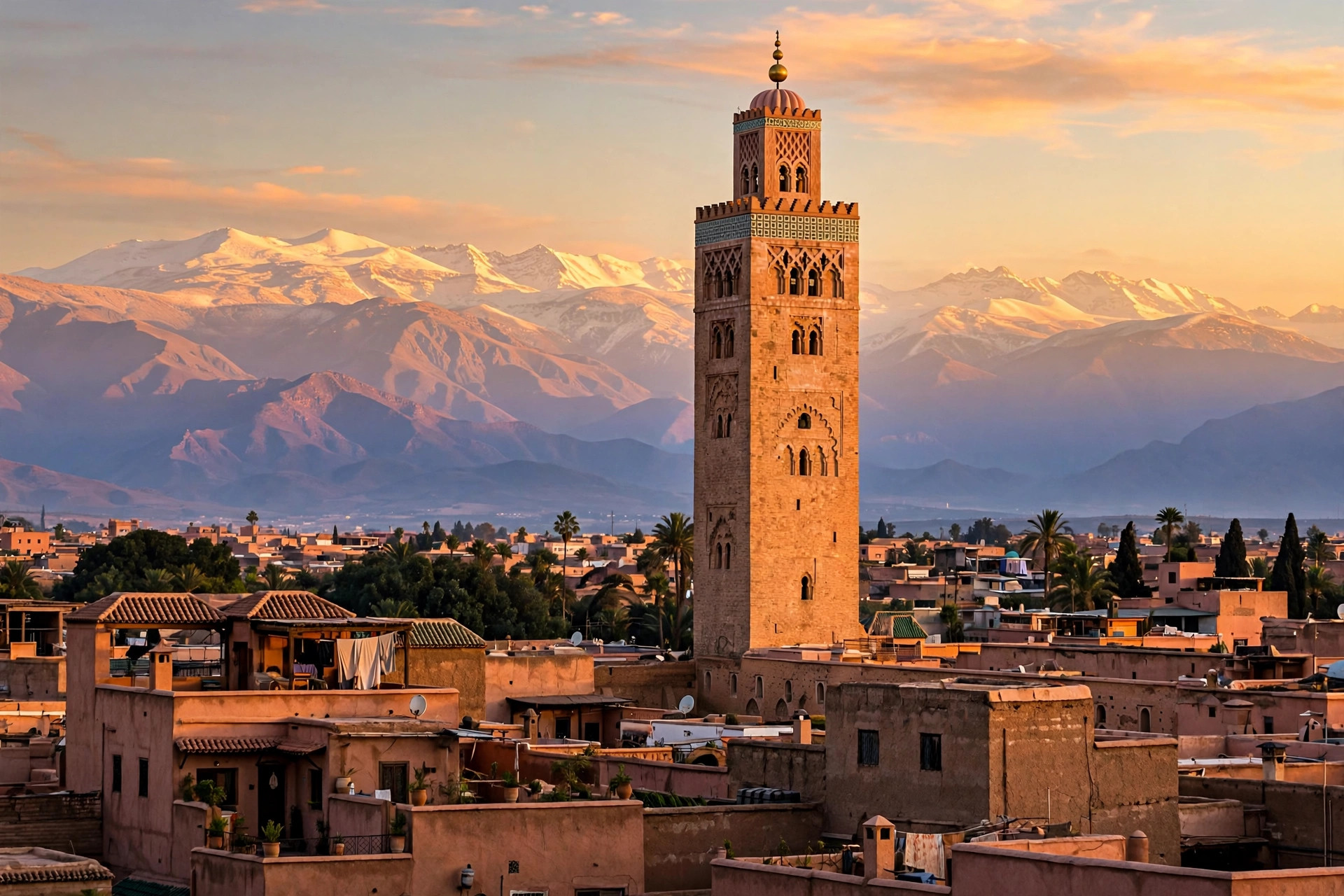
Book the riad for a first trip to Marrakech or Fes, for a romantic 2–4 night stay, or any time you want local advice on tap — a good host will arrange guides, drivers, and restaurant bookings better than any concierge desk. The rooftop breakfast above the medina, with the Atlas mountains on the horizon, is the single best argument ever made for the riad side of the debate.
When a hotel is the smarter choice
Choose a hotel if you need connecting rooms or an elevator for kids or grandparents, if you arrive late (24-hour reception beats a host asleep at 1 a.m.), for beach stays in Agadir or Essaouira where resorts rule, or if anyone in your group has mobility issues — medina alleys, stairs, and cobblestones are unforgiving. Business travellers and anyone who wants a drink with dinner should also default to hotels.
How to book a riad without regrets
Green flags: recent reviews that mention the host by name, clear arrival directions with a meeting point, room photos showing actual windows, breakfast explicitly included, and fast, personal replies to your messages.
Red flags: stock-style photos with no real courtyard shots, no reviews in the last six months, “5 minutes from Jemaa el-Fna” with no map pin, breakfast and tourist tax charged as extras at checkout — and no mention of heating. Medina houses get genuinely cold from December to February: ask about heating before booking a winter stay.
Plan your Morocco trip
Turn this guide into a booked trip: compare stays, flights and car rental across Morocco below.
Some links on this page are affiliate links. If you book through them, we may earn a commission at no extra cost to you — it keeps these guides free.
Frequently asked questions
What is a Moroccan riad?
A traditional townhouse built around a planted interior courtyard, now usually a small medina guesthouse with a handful of rooms, a rooftop terrace and breakfast included. The plain street door hides a quiet tiled courtyard — that surprise is the whole point.
Should I stay in a riad or a hotel in Marrakech?
For a first visit of 2–4 nights, a riad inside the medina puts you steps from the souks and gives you the rooftop-breakfast experience. Choose a hotel in Gueliz or the Palmeraie if you want a big pool, 24-hour reception, easy taxi access or family-sized rooms.
Are riads more expensive than hotels in Morocco?
Not necessarily. Budget dars (250–500 dirhams a night) undercut mid-range hotels, and mid-range riads (600–1,200 dirhams, breakfast included) match 3-star hotel prices. Luxury riads and palace hotels both climb past 2,000 dirhams a night.
Do Moroccan riads have swimming pools?
Many mid-range and luxury riads have a small courtyard plunge pool, but it is usually unheated and too small for laps — fine for a dip in summer, chilly the rest of the year. If a real pool matters, book a hotel or a Palmeraie riad with a full-size pool.
Is it safe to stay in a riad in the medina?
Yes — medina quarters are residential and busy, and riad doors lock securely. The main challenge is navigation: alleys are maze-like after dark, so have your host walk you in on arrival and save an offline map pin.