El Jadida sits on Morocco's Atlantic coast, roughly 90 kilometres south of Casablanca, and feels like a secret the rest of the country forgot to advertise. Its Portuguese walled city — Mazagan, inscribed as a UNESCO World Heritage Site in 2004 — packs five centuries of history into a compact seaside medina, with the famous underground Portuguese Cistern at its heart. Quiet beaches, a working fishing port serving some of the cheapest fresh seafood in Morocco, and a calm, local rhythm make it an ideal El Jadida day trip from Casablanca or Marrakech. This El Jadida travel guide covers everything you need: what to see, where to eat, how to get there, and how to spend one perfect day.
Getting to El Jadida: From Casablanca and Marrakech
The easiest access is from Casablanca: the train from Casa Voyageurs takes about an hour, runs several times a day, and El Jadida's station sits within walking distance of the old town. Driving via the A5 motorway takes roughly the same time. From Marrakech, expect 2.5 to 3 hours each way by car or by CTM coach, which runs daily services. Inside the city, everything is flat and walkable — cheap petit taxis cover longer hops such as the Sidi Bouzid beaches. If you are planning an El Jadida day trip, aim to arrive by late morning and leave after dinner.
The Portuguese Cistern: El Jadida's Masterpiece
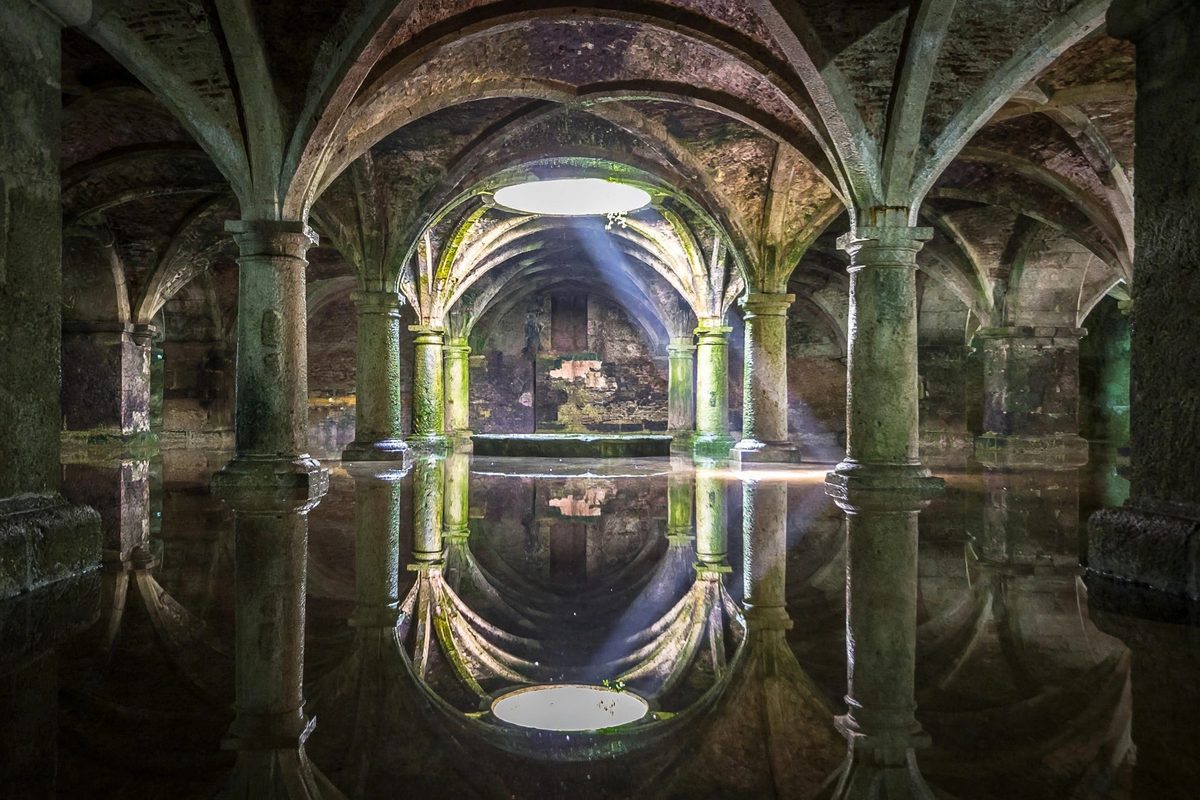
The Portuguese Cistern — sometimes called the Manueline Cistern — is the single best reason to visit El Jadida. Built in the 16th century beneath the Mazagan fortress, this vast underground water chamber was designed by the Portuguese architect João Castilho. Rows of stone columns and graceful arches stretch into the half-dark, a thin sheet of water mirrors the vaulted ceiling, and a single shaft of daylight pierces through the roof. The effect is so cinematic that Orson Welles chose the cistern as a filming location for his 1952 film Othello. Visit in the morning for the quietest experience, or around midday when the shaft of light is at its most dramatic.
The Fortress of Mazagan and the Ramparts Walk
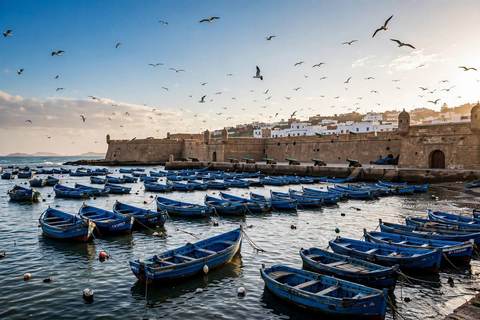
The Mazagan fortress is the Portuguese fortified city itself — star-shaped walls from the early 1500s that made El Jadida Portugal's key Moroccan stronghold for 250 years. Walk the sea-facing ramparts for views of the harbor and fishing boats, then descend into the compact medina: the Church of the Assumption, now serving as a lighthouse, the old Jewish quarter and its mausoleum, the Grand Mosque, and the famous pentagonal minaret — the only five-sided minaret in the world. The mix of Christian, Muslim and Jewish heritage inside the walls is exactly what earned the site its UNESCO status, and the whole walled city takes barely an hour to explore on foot.
Seafood and the Fishing Port
The working port is El Jadida's beating heart. Arrive at midday and watch the boats unload, then eat what they brought in: grilled sardines, calamari, sole and sea bass at the port-side grills, served simply with bread, salad and olives at local prices — a full seafood lunch can cost well under 60 dirhams. The corniche restaurants east of the walls offer the same catch with table service and sea views. El Jadida is a genuine seafood town, not a tourist showpiece, so the fish here is hours old, not days.
The Beaches of El Jadida
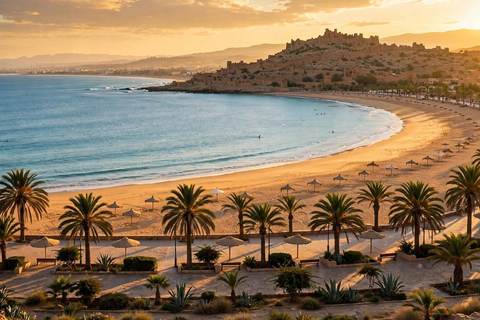
El Jadida beaches are calm and local rather than glamorous. The main city beach, Plage de Deauville, outside the ramparts is handy for a quick swim. The nicer strands need a short ride: Sidi Bouzid, about 3 kilometres south, is the chic resort beach with loungers, parasols and good swimming, while the wilder Haouzia stretch suits long walks. Further north, the upscale Mazagan Beach & Golf Resort has its own private beach near Azemmour. Afternoon wind suits bodyboarders more than sunbathers, so morning is the best time for the sea.
Where to Stay in El Jadida
One day is enough for the highlights, but an overnight lets you walk the ramparts at sunset and see the cistern in soft morning light. Options range from small riads inside the Portuguese medina to mid-range hotels on the corniche, plus the upscale Mazagan Beach & Golf Resort north of town for a splurge. Airbnb apartments in the new town are plentiful and inexpensive outside summer, when weekend prices climb with visitors from Casablanca.
When to Visit El Jadida
Spring (April–June) and autumn (September–October) give the best balance of warm seas and mild sightseeing weather. Summer brings heat and weekend crowds; winter is quiet and atmospheric, with dramatic Atlantic skies. Is El Jadida worth visiting? If you love history and quiet coasts, absolutely: the cistern and the fortress are unlike anything else in Morocco, the seafood is cheap and fresh, and the town stays calm while Marrakech and Essaouira fill up.
The cistern's single shaft of daylight is strongest around midday, when the sun is directly above the ceiling opening. Mornings are quieter if you want the chambers nearly to yourself.
The port-side grills and small medina shops are often cash-only. Withdraw dirhams at the ATMs on the main avenues before heading down to the water.
Plan your Morocco trip
Turn this guide into a booked trip: compare stays, flights and car rental across Morocco below.
Some links on this page are affiliate links. If you book through them, we may earn a commission at no extra cost to you — it keeps these guides free.
Frequently asked questions
Is El Jadida worth visiting?
Yes, if you love history and quiet coasts. The 16th-century Portuguese Cistern and the UNESCO-listed Mazagan fortress are unlike anything else in Morocco, the seafood at the working port is fresh and cheap, and the town stays calm while bigger destinations fill up.
How do I get to El Jadida from Casablanca?
The train from Casa Voyageurs station in Casablanca takes about an hour and runs several times a day; driving via the A5 motorway takes roughly the same. El Jadida's station is a short walk from the Portuguese walled city.
Can I visit El Jadida as a day trip from Marrakech?
Yes. Allow 2.5 to 3 hours each way by car or CTM coach, then plan a full day for the cistern, the ramparts walk, a seafood lunch at the port and a stop at Sidi Bouzid beach before returning in the evening.
How many days do I need in El Jadida?
One full day covers the highlights: the Portuguese Cistern, the Mazagan ramparts, the fishing port and a beach stop. Stay one night if you want the ramparts at sunset, the cistern's morning light, and a relaxed dinner at the port.
What is the Portuguese Cistern in El Jadida?
A vast 16th-century underground water chamber beneath the Mazagan fortress, built by the Portuguese and designed by architect João Castilho. Stone columns and arches reflect in a thin sheet of water while a single shaft of daylight falls through the roof — Orson Welles filmed scenes of his 1952 Othello here.