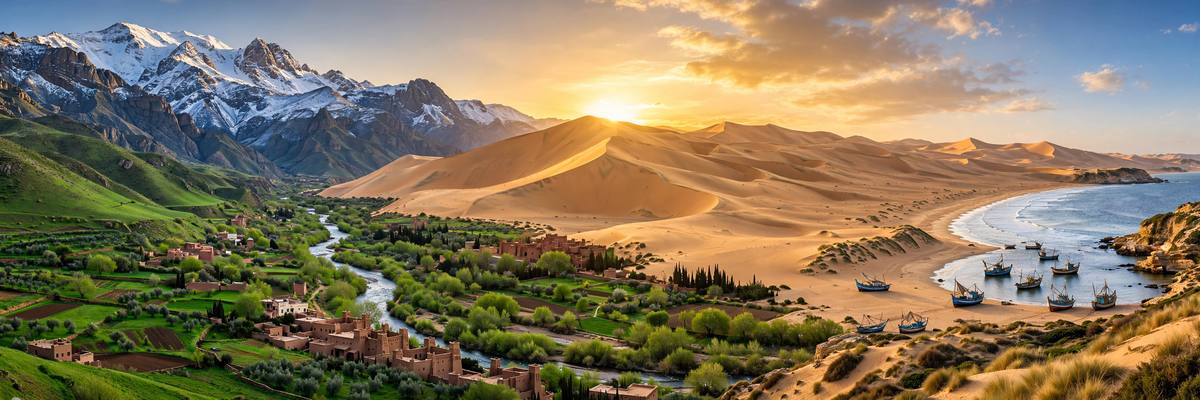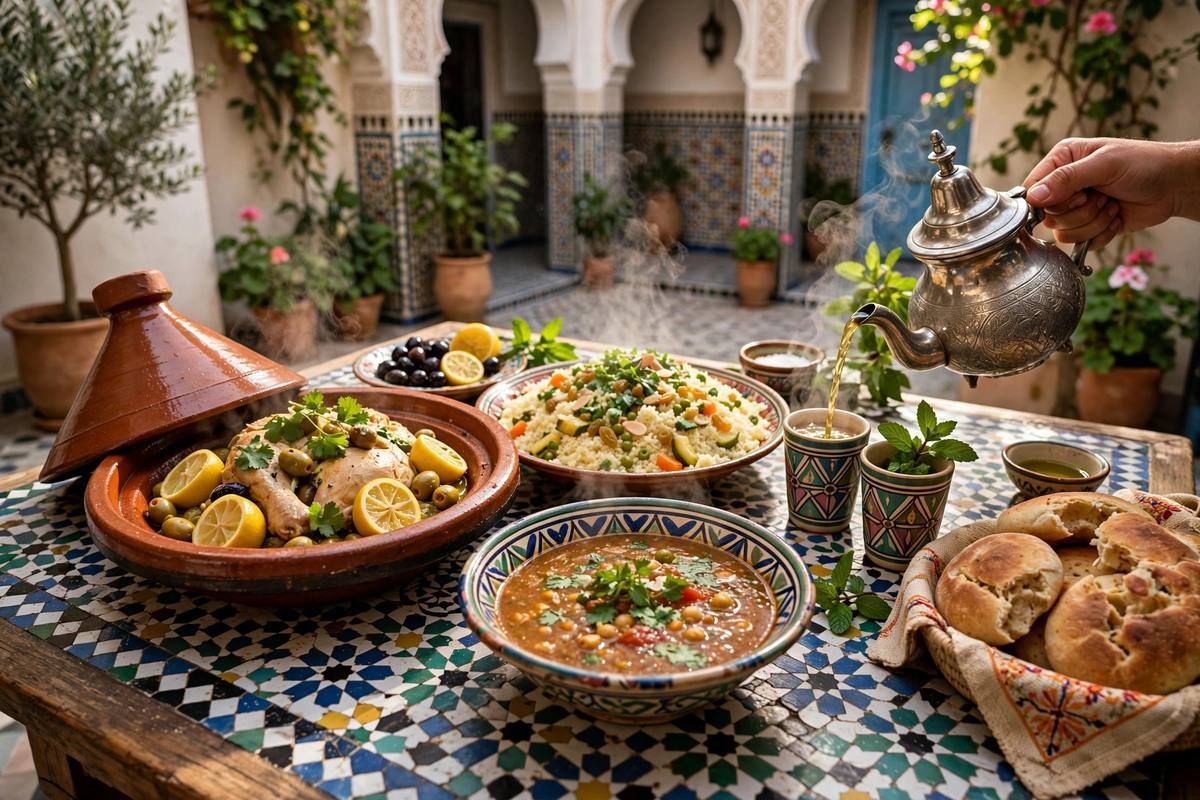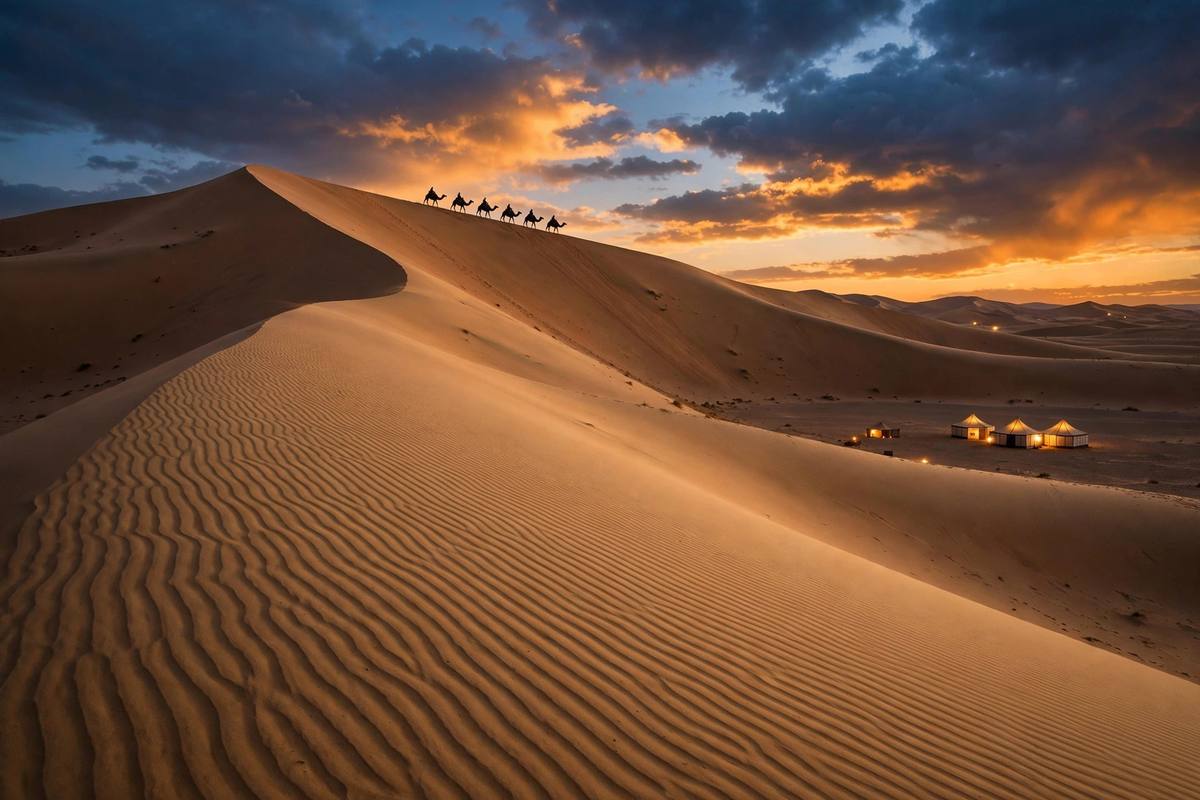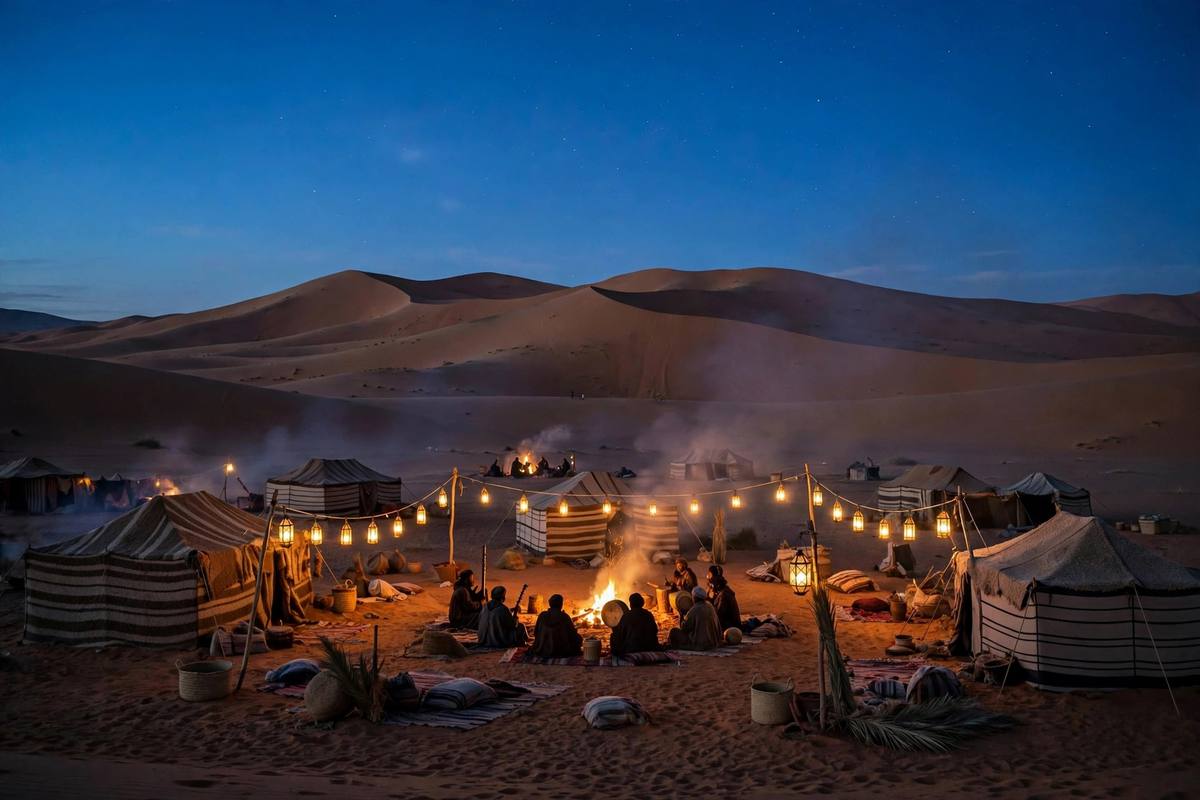
Morocco does not run on a single festival season — it runs on a calendar. Every month brings a different celebration: rose harvests in the Dadès Valley, Sufi chants echoing through Fes, Gnaoua drums on the Essaouira ramparts, and wedding festivals in the High Atlas. If you want to see the country at its most joyful, time your trip around these dates.
This guide walks you through the biggest festivals and events of the year, season by season — with honest advice on which ones are worth building a trip around, and what to book before you go.
Spring: roses, sacred music and desert moussems
Spring is arguably the best season to festival-hop through Morocco. The weather is mild, the countryside is green, and the calendar fills up fast.
In May, the Rose Festival turns Kelaat M'Gouna — the "Valley of Roses" near the Dadès Valley — into a three-day celebration. Locals crown a Rose Queen, parade floats heavy with petals, and the whole town smells of rose water. Distilleries open their doors, and you can buy rose oil and cosmetics at harvest prices.
Also in May, sometimes stretching into June, the Fes Festival of World Sacred Music brings Sufi whirling dervishes, gospel choirs and Andalusian orchestras to the palaces and courtyards of the old medina. It is the most refined festival in the country — and Fes books out completely, so reserve your riad months ahead.
Down by the Atlantic edge of the Sahara, the Tan-Tan Moussem (usually late May) gathers dozens of Saharan tribes for camel races, traditional music and crafts. Listed by UNESCO as intangible cultural heritage, it is one of the rare places to experience Saharan nomadic culture up close.
In June, Sefrou hosts the Cherry Festival — also UNESCO-listed — a sweet, family-friendly weekend of parades, music and cherry tastings in one of Morocco's oldest towns.
Summer: music takes over the coast
Summer in Morocco belongs to music. The big coastal cities host the country's largest festivals, and the ocean breeze keeps the heat bearable.
The Gnaoua World Music Festival in Essaouira (late June) is the essential one. Gnaoua maâlems — master musicians — play deep into the night on the ramparts and in the squares, often fused with visiting jazz, blues and Afrobeat artists. It is free, it is crowded, and Essaouira's hotels sell out: reserve at least three months ahead.
In Rabat, Mawazine (usually June) ranks among the largest music festivals in Africa, with multiple stages across the capital drawing international headliners and crowds in the hundreds of thousands.
Timitar in Agadir (July) celebrates Amazigh culture — Souss music, Ahwash dance troupes and contemporary Moroccan bands — free and open-air by the sea. Jazzablanca in Casablanca (July) brings jazz and soul acts to the country's economic capital.
Autumn: harvests and desert nights
Once the summer heat breaks, head south. Autumn is harvest season in the oases and the perfect moment for the desert.
In September, the Imilchil Marriage Festival takes place high in the Middle Atlas. Legend says it began when two lovers from rival tribes were forbidden to marry; today it is a famous mass wedding fair where Berber families celebrate engagements amid music, dance and a colourful market.
In October, Erfoud celebrates the Date Festival — three days of tastings, folk music and camel parades honouring the date harvest of the Tafilalet oasis, one of the largest in the world.
November belongs to the desert: the Taragalte Festival sets up a stage among the dunes near M'Hamid for three nights of Saharan music under the stars — the most atmospheric event on this list.
Winter: films, blossoms and the Amazigh New Year
Winter festivals are gentler, and the crowds are thinner.
The Marrakech International Film Festival (late November to early December) rolls out the red carpet at the Palais des Congrès, with screenings, tributes and the occasional international star spotted between medina wanders.
In mid-January, Yennayer — the Amazigh New Year — is celebrated across the country with music, dancing and traditional dishes like couscous with seven vegetables. It became an official public holiday in 2024, so the whole country now joins in.
And in February, the Almond Blossom Festival in Tafraoute turns the Anti-Atlas pink and white with blossom, plus folk music, Fantasia horsemen and local product markets — a beautiful reason to explore the south in winter.
Book accommodation early for Gnaoua, Mawazine and the Fes sacred music festival — host cities sell out months ahead. Check the Ramadan calendar before you go: some festivals pause during the holy month and restaurant hours change. Religious holidays like Eid al-Fitr and Eid al-Adha follow the lunar calendar and shift about 11 days earlier each year, with exact dates announced only a few weeks ahead.
Plan your Morocco trip
Turn this guide into a booked trip: compare stays, flights and car rental across Morocco below.
Some links on this page are affiliate links. If you book through them, we may earn a commission at no extra cost to you — it keeps these guides free.
Frequently asked questions
When is the Gnaoua World Music Festival?
It takes place in late June in Essaouira. Concerts on the ramparts and main stages are free and open-air, which is why the town's hotels and riads sell out — book at least three months in advance.
Which Moroccan festival is best for Amazigh culture?
Timitar in Agadir (July) for Amazigh music, the Tan-Tan Moussem for Saharan nomadic culture, Yennayer in January for the Amazigh New Year, and the Imilchil Marriage Festival for High Atlas Berber traditions.
Do I need tickets for Moroccan festivals?
Many are free, including Gnaoua, Mawazine's open stages and Timitar. Some events need tickets — gala concerts at the Fes Festival of World Sacred Music and screenings at the Marrakech International Film Festival. Check the official programme about a month before you travel.
How do Ramadan and Eid affect a festival trip?
Dates shift each year with the lunar calendar. Some festivals pause during Ramadan, and daytime restaurant hours change; Eid al-Fitr and Eid al-Adha are family holidays when transport and hotels get busy — book transport and stays ahead.
What is the Rose Festival in Morocco?
A three-day May festival in Kelaat M'Gouna celebrating the Damask rose harvest — parades, a Rose Queen, open distilleries and rose oil sold at harvest prices in the "Valley of Roses".